
The theme of this year’s International Women’s Day, “Give to Gain”, could not be more apt for the REACH Network, which is powered by extraordinary women who give of their expertise, leadership, and dedication so that children in some of the most vulnerable communities across West Africa gain the opportunity not just to survive but to thrive.
The REACH Network is proud to highlight some of these extraordinary contributions here, as we celebrate International Women’s Day and a transnational, transvocational sisterhood.
#IWD2026 #GiveToGain #WomenInREACH
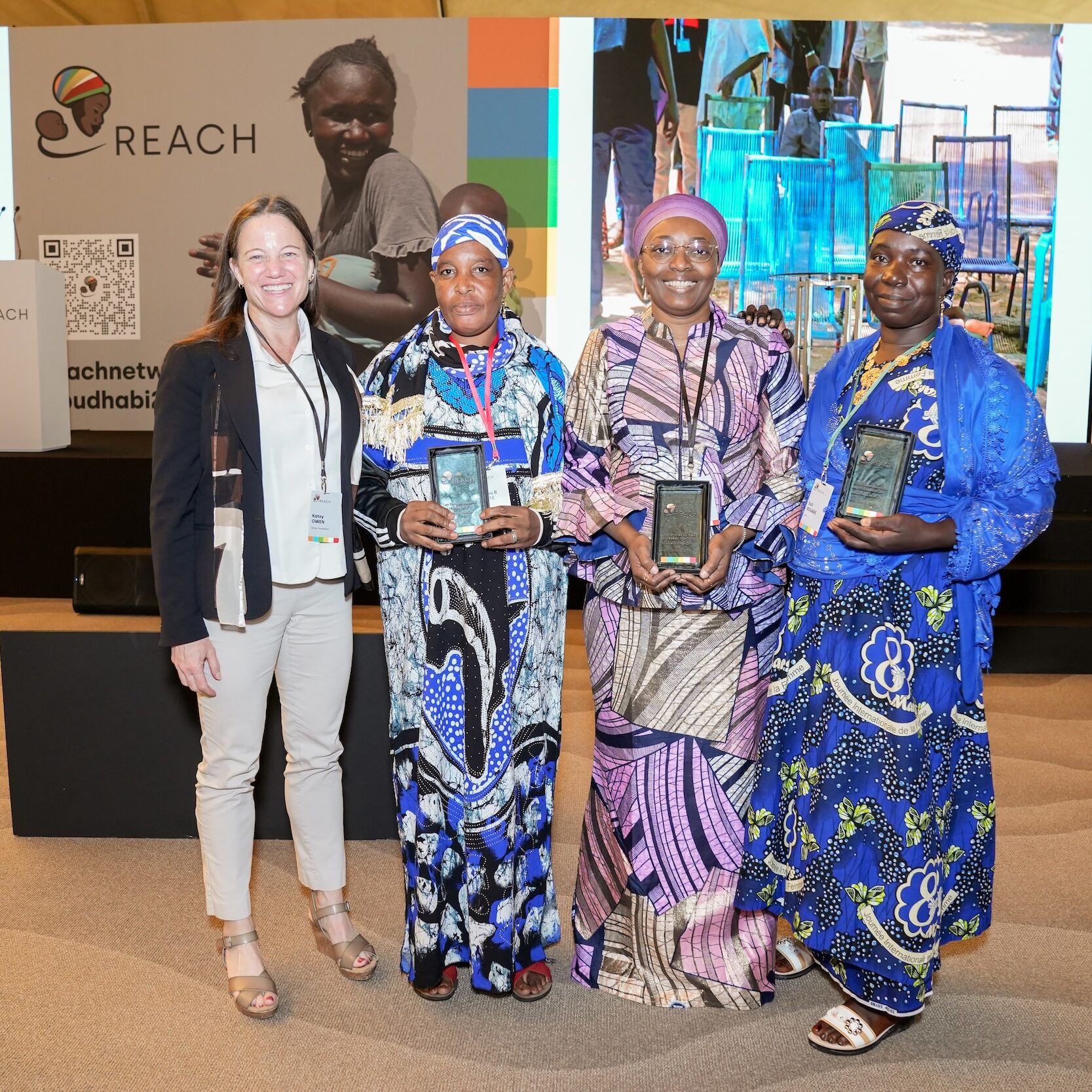
Driving down child mortality rates
Built around the delivery of azithromycin, integrated with other key interventions, to boost child survival in areas where under-five mortality rates are unacceptably high, the REACH Network operates from the field to the international symposium, and at every level in-between.
And in every village, in every laboratory, in every meeting room, the women of REACH ensure that this life-saving work is carried out efficiently and effectively, often in areas beset by political upheaval and insecurity.
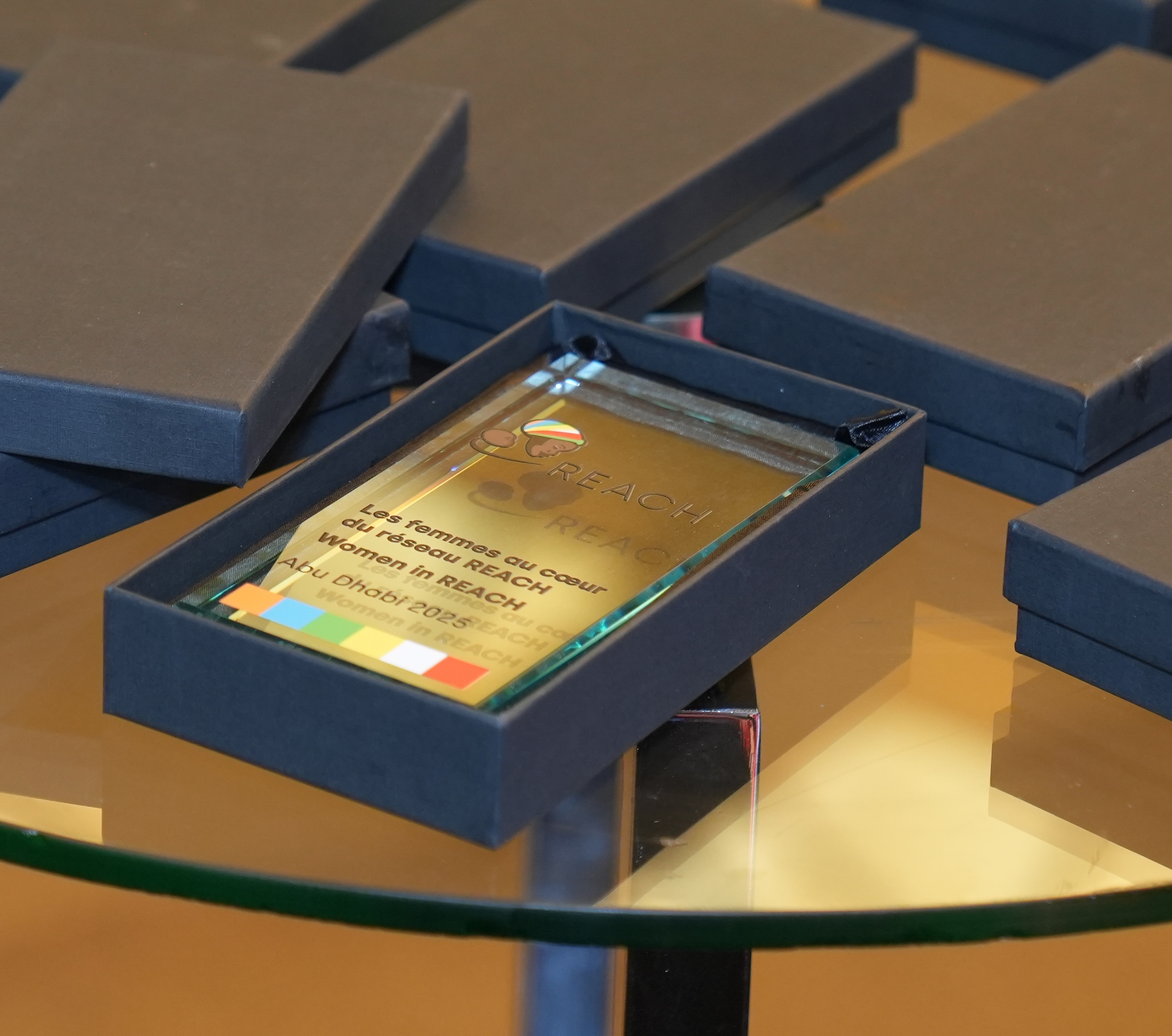
Giving so children can gain
That is why the REACH Network held its inaugural “Women in REACH” event at the recent 2025 REACH Network Annual Meeting, in Abu Dhabi, United Arab Emirates.
We wanted to highlight a core truth, namely that successful public health programmes rely on diverse expertise, equitable leadership, and the voices of those closest to the communities served.
Which means, in practice, that REACH is driven by the contributions of women, not in supporting roles, but as lead actors in a complex West African story.
The 14 women honoured in Abu Dhabi are representative of scores of others, all performing tasks with diligence, care, and great commitment.
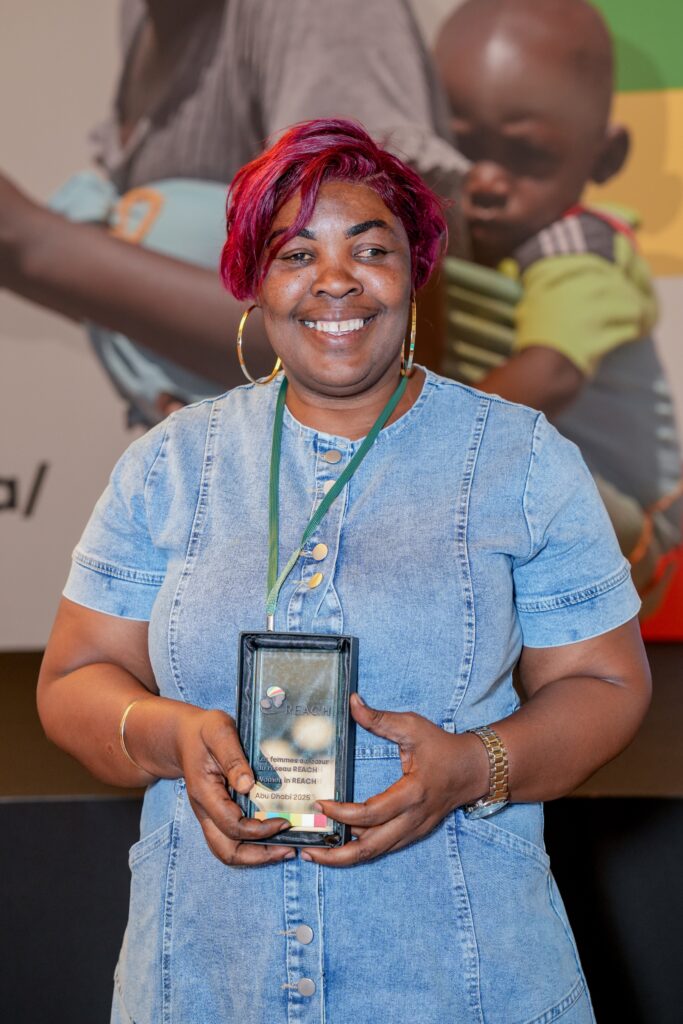
GUEHI BAHOU DEBORA CONSTANTE (1975 – 2026)
During the preparation of this article, the REACH Network learned of the untimely death of Debora, as she was known to her friends and colleagues.
Working across all health areas, including maternal and child health, Debora spent 20 years as a community health worker in her home district of Boundiali. She was also a founding member of the Action Sans Limite (ASAL, “Action Without Limits”) non-governmental association, which works to raise awareness, to screen for, and to treat HIV in key populations.
A veteran of health campaigns in her area, including REACH Côte d’Ivoire campaigns between 2022 and 2024, she was instrumental in raising community awareness through women’s organisations, also campaigning for better access to sexual health services for women.
It is with great sadness, then, and particular poignancy, that we celebrate here her inestimable contribution to the life of her community, and to the lives of all those who knew her.
Impact at all stages in the process
The women of REACH make their impact felt most directly at the community level.
In the Djôrô region of Burkina Faso, for example, Mimi Martine Hien serves as a community health worker, bringing life-saving interventions directly to families.
In Boundiali district, in northern Côte d’Ivoire, Bahou Debora Constante Guehi performed a similar role, ensuring that the children in her community were able to benefit from mass drug administration campaigns to treat so-called neglected tropical diseases and other threats to good child health.
In Mali, Oumou Diakite works in the Kita district, in western Mali, and was central to the REACH LAKANA project, while Sali Bouare was a mainstay of community drug distribution in the Koutiala district, in the southeastern Sikasso region, during the SANTÉ study, which aims to strengthen maternal and child health provision in Mali.
Linking science and delivery
These women are the front line of a sophisticated operation chain that binds science and supply chains with on-the-ground delivery.
Community health workers translate evidence into action – literally – going from household to household to ensure that the findings of research scientists, made in distant laboratories, are given concrete reality in the form of real-life protections for children.
As Mimi Martine Hien says,
“For me, it’s about playing my part in the process. Everyone has a job to do, and I always strive to do mine as best I can, especially when it comes to saving children’s lives. I have known the communities I work in for a very long time, and I am proud to be able to do what I do on their behalf, with their recognition.”
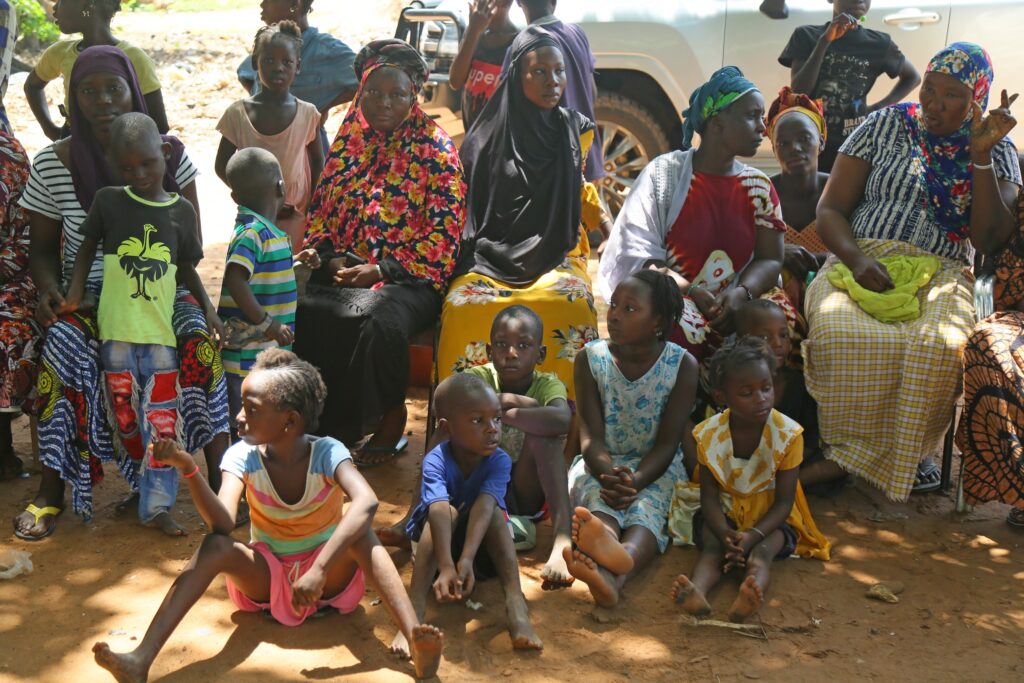
Caring for communities
In Matourkou, in Burkina Faso’s Guirogo region, registered nurse Karidia Son works at the Health and Social Promotion Center, ensuring the safe delivery and effective monitoring of health interventions, while in Boundiali, Côte d’Ivoire, some 100 kilometres south of the Malian border, registered nurse Oulaïlé Helene Yoho was was one of the supervisors in charge of REACH mass drug administration campaigns in the area surrounding her health facility.
Nurse Karidia Son explains:
“I am acutely aware of the responsibility we have in our health district to improve the health of the population. That’s why I do everything I can to make sure interventions such as mass administration of azithromycin are done properly, despite the difficulties and constraints we face. It’s incredibly rewarding to think that children are being saved and that mothers are able to regain their joie de vivre. We remain committed to this noble mission.”
I am acutely aware of the responsibility we have in our health district to improve the health of the population. That’s why I do everything I can to make sure interventions such as mass administration of azithromycin are done properly, despite the difficulties and constraints we face. It’s incredibly rewarding to think that children are being saved and that mothers are able to regain their joie de vivre. We remain committed to this noble mission.
In Niger, Aïchatou Bawa Issa has served as a supervisor on the REACH AVENIR project since 2020, while assistant nurse Mariama Tiemogo has spent the last 10 years actively engaged in community-level implementation of vital healthcare interventions, touching the lives of thousands of families.
In Kebbi State, Nigeria, Rukkaya Muhammed Bagudo combines her training as a nurse and midwife with her work as a community drug distributor on the SARMAAN II project.
The vigilance, knowledge, and rigour of these women ensures that REACH interventions enjoy high coverage rates, that they are delivered safely and effectively, and, crucially, that they are trusted by local communities.
As Aichatou Bawa Issa points out,
“In Niger, we address the challenges of our interventions through structured and proactive social mobilisation. We constantly advocate with the administrative and traditional authorities to secure their commitment. At the same time, we prepare technical frameworks before any intervention and work closely with the media to raise the profile of our actions. Finally, thanks to community relays, we organise awareness-raising and feedback sessions to fully involve the population in the MDA [mass drug administration of azithromycin].”
Monitoring and supervision
Coordination and oversight are also central to REACH programmes in all participating countries – and the REACH Network has expertise aplenty in this area too.
In Kaduna State, Nigeria, Hannatu Abdullahi Lere supervises community drug distributors on behalf of the Malaria Consortium, maintaining the highest standards and strict accountability across all her delivery teams.
Karamatoulaye Hamadou Ide is a Human Resources Manager in Niger and has played a central role in the planning and coordinating of community-level activities since the inception of the REACH AVENIR I project.
“Behind every life-saving intervention,” she says, “there are well-coordinated teams, rigorously planned processes and disciplined, committed individuals. My role in human resources is to ensure that every link in this chain is strong, from coordination to the community.
“Receiving the Women in REACH award is a source of immense pride, but above all, it is recognition of the collective work carried out by all these extraordinary women who give their best every day to ensure that the children in our communities can grow up in good health. This award belongs to each of them as much as it does to me.
“Giving so that children can gain is our daily mission at the REACH AVENIR project in Niger. And we carry out this mission because the communities we serve deserve the best. That is the profound reason why I have been fully committed to this project since day one.”
Karamatoulaye Hamadou Ide
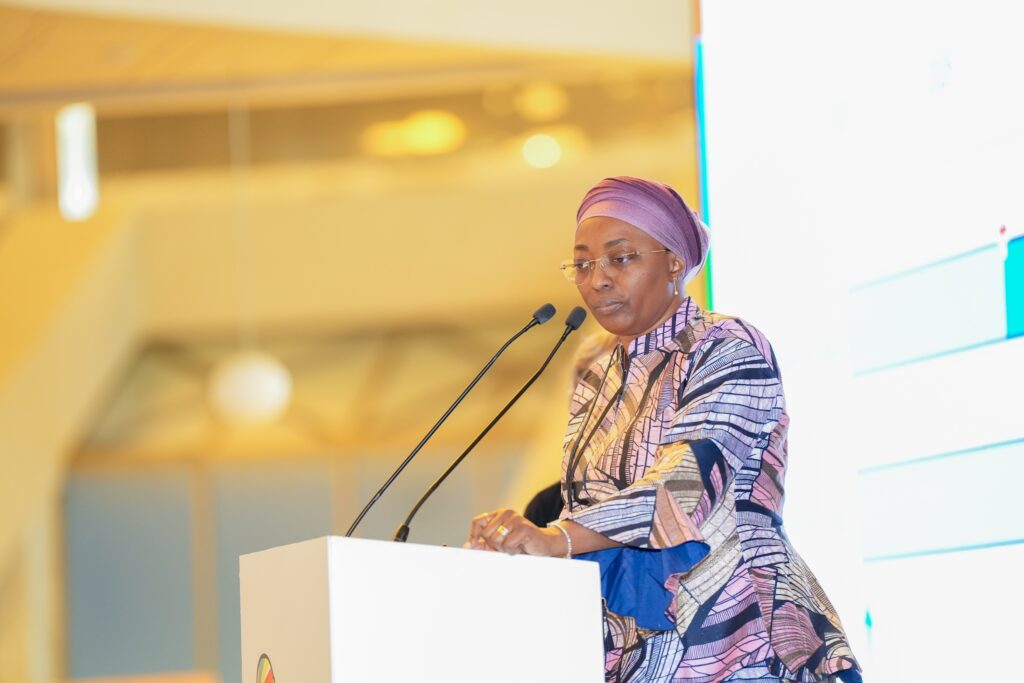
Dr Fadima Cheick Haidara, Chief Operations Officer with CVD-Mali, brings decades of field and operational experience to bear on her work and is a respected voice region-wide. Her contribution to the REACH Network bears the hallmarks of applied learning, ensuring that plans at the macro level are imprinted with her instinctive understanding of realities in the field.
A powerful regional coalition
Having such dedicated women as members of its regional team means that the REACH Network is able to put into practice a unique way of working, bringing dedicated national teams, working on distinct national priorities, into a West-Africa-wide coalition of best practice and mutual learning.
Teams in one country can learn and benefit directly from the experiences of their neighbours, and from women such as Dr Haidara and Côte d’Ivoire’s Dr Amoin Marie Laurence Dje.
Dr Dje Amoin is a medical doctor and technical officer responsible for communication and public relations at the National Neglected Tropical Diseases Program (NTD) in Côte d’Ivoire. Her work exemplifies the ways in which scientific insight can and must underpin effective public health action.
It also helps ensure that REACH interventions remain evidence-based, sustainable, and responsive.
According to Dr Dje Amoin,
“There is a huge amount of overlap between NTDs and child mortality in Côte d’Ivoire, so integrating REACH azithromycin with the work that is already being done, to combat diseases like trachoma, made sense. The REACH Network has been a welcome opportunity for us in Côte d’Ivoire to see what our neighbours are doing, and to learn from each other.”
Dr Haidara, in turn, said,
“On International Women’s Day, I am proud to stand alongside the mothers, community health workers, nurses, midwives, and doctors who make our work possible. Leading field operations for REACH Mali, it is a privilege to train and work alongside these remarkable women as they deliver life-saving care to children and families. Through Women in REACH, we celebrate the leadership and dedication of women strengthening health systems every day. This reflects the spirit of #GiveToGain: when we invest in women with trust and opportunity, communities gain stronger health and resilience.”
Representing REACH internationally
The entirety of the diverse experience represented by the women honoured in Abu Dhabi is the basis upon which representatives of the REACH Network are able to go into the world to speak of their experiences and to share successes of REACH implementation at important international gatherings.
As Coordinator for Child Survival and Programme Manager of the National Child Health Programme, Dr Lynda Farma-Grant of Sierra Leone is a REACH Country Focal Point and has represented the Network at international platforms such as the Child Survival Forum, in Maputo, Mozambique.
She is uniquely placed to give voice to African expertise in global discussions on child survival.
“I was honoured to receive a Women in REACH award,” said Dr Farma-Grant, “and I am proud to represent the Network – and the work of all these incredible women – while making my own contribution to it.”
“National stewardship and international advocacy reinforce one another. Our work depends on the work done by all the other incredible women at every step along the way. For our children to not only survive but thrive, we must all work together. And, yes, this is achievable.”
Dr Lynda Farma-Grant
Generational gains
Together, the 14 women recognised and celebrated at the Women of REACH awards embody the full arc of REACH’s impact and ambition.
They give of their time, their training, their intellect, and their leadership, and, in return, communities gain resilience, health systems gain strength, and hundreds of thousands of children gain a better chance at living healthy, fulfilling lives.
Celebrating their achievements, the Director of the REACH Network, Dr Camilla Ducker, said,
“On International Women’s Day, I am proud to stand alongside the extraordinary women who power the REACH Network — from mothers and community health workers to nurses, researchers, and national leaders. Their commitment, skill, and compassion are the backbone of the work we do to reach children and families across communities.
“Through Women in REACH, we celebrate not only the contribution of women, but their leadership, recognising that when women are trusted, supported, and given space to lead, health systems grow stronger and communities thrive.”
REACH Network Co-chair, Professor Samba Sow also paid tribute, saying,
“The REACH Network couldn’t be more proud and more thankful for the women in all six of our member countries who are an unstoppable force in the service of the communities and children we serve.”
“On 8 March 2026, their work is a welcome reminder that when women give, entire generations gain.”
“I am deeply proud to help champion a network where women’s expertise, courage, and voice are heard and valued, shaping the future of global health.”

Dr Camilla Ducker
Director, REACH Network
Meet the honourees
(click images to enlarge)
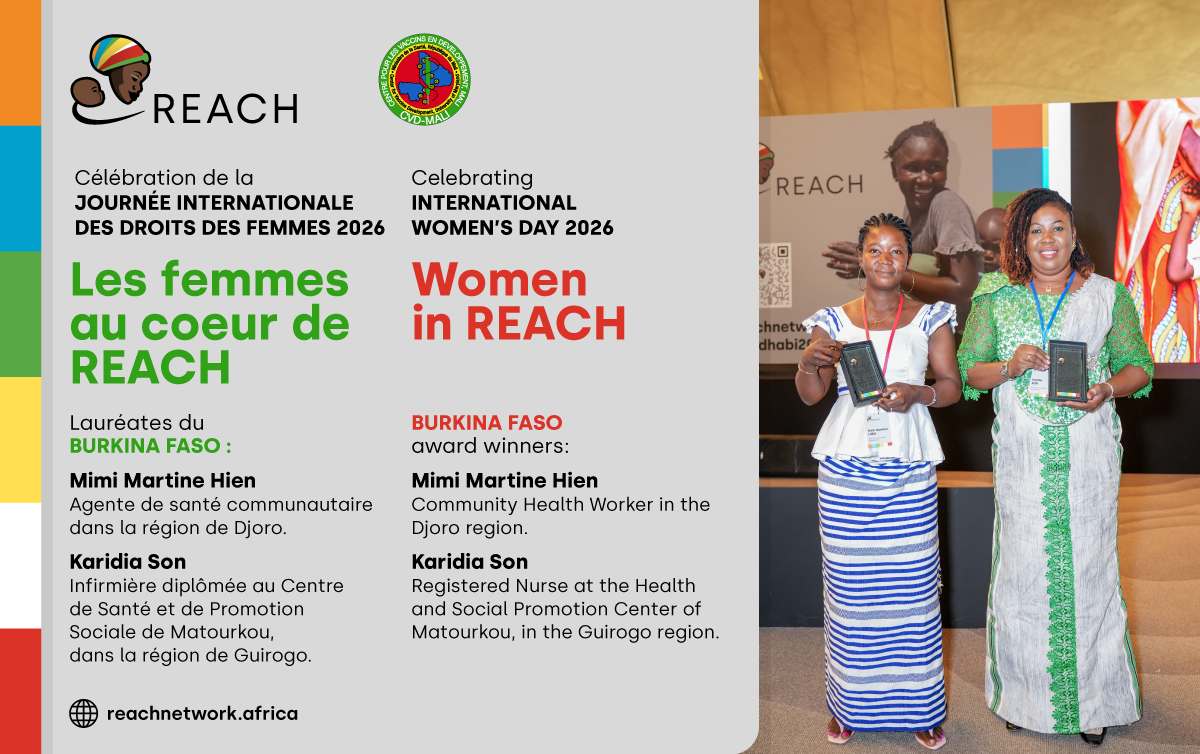
Burkina Faso
Mimi Martine Hien
Community Health Worker in the Djôrô region.
Karidia Son
Registered Nurse at the Health and Social Promotion Center of Matourkou, in the Guirogo region.
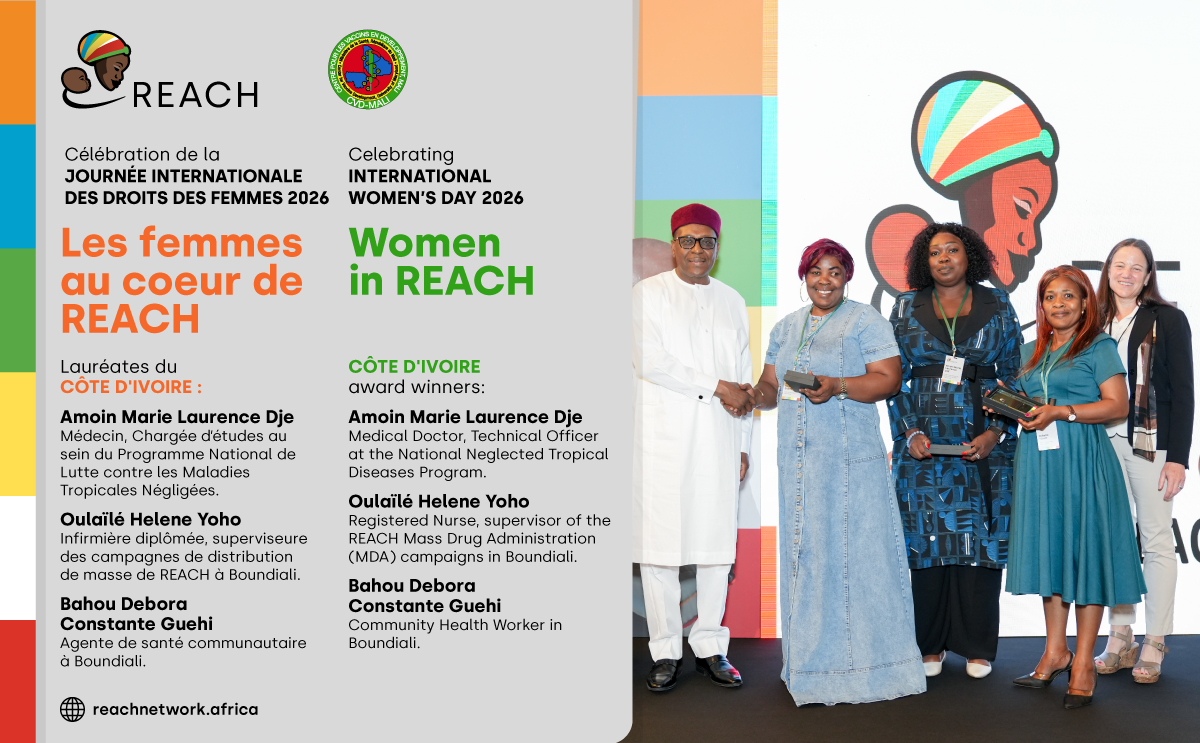
Côte d’Ivoire
Amoin Marie Laurence Dje
Medical Doctor, Technical Officer responsible for communication and public relations at the National Neglected Tropical Diseases Program.
Oulaïlé Helene Yoho
Registered Nurse, supervisor of the REACH Mass Drug Administration (MDA) campaigns in Boundiali, a district located in northern Côte d’Ivoire.
Bahou Debora Constante Guehi
Community Health Worker in Boundiali.
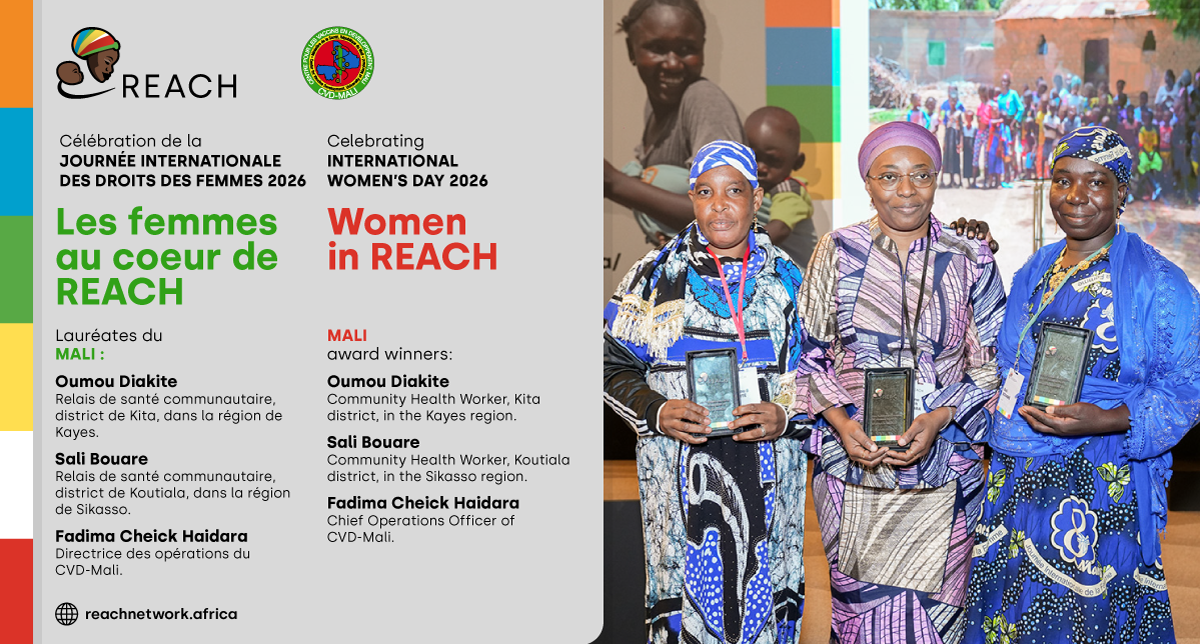
Mali
Oumou Diakite
Community Health Worker (‘Relais de santé communautaire’) affiliated with the REACH LAKANA project, Kita district, in the Kayes region.
Sali Bouare
Community Health Worker (‘Relais de santé communautaire’) affiliated with the SANTÉ project, Koutiala district, in the Sikasso region.
Fadima Cheick Haidara
Chief Operations Officer of CVD-Mali, and a highly experienced public health official with decades of field and operations experience and a long track record of academic publications.
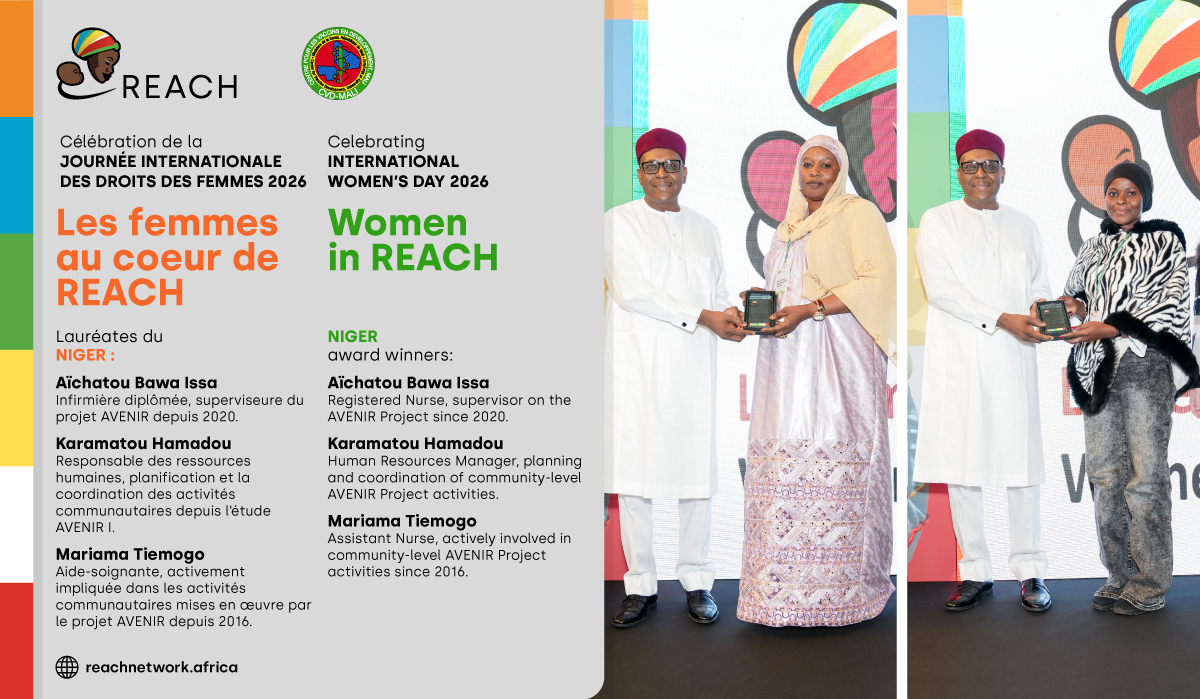
Niger
Aïchatou Bawa Issa
Registered Nurse, supervisor on the AVENIR Project since 2020.
Karamatou Hamadou
Human Resources Manager, a key contributor to the planning and coordination of community-level activities since AVENIR I.
Mariama Tiemogo
Assistant Nurse, actively involved in the community-level activities implemented by the AVENIR project since 2016.
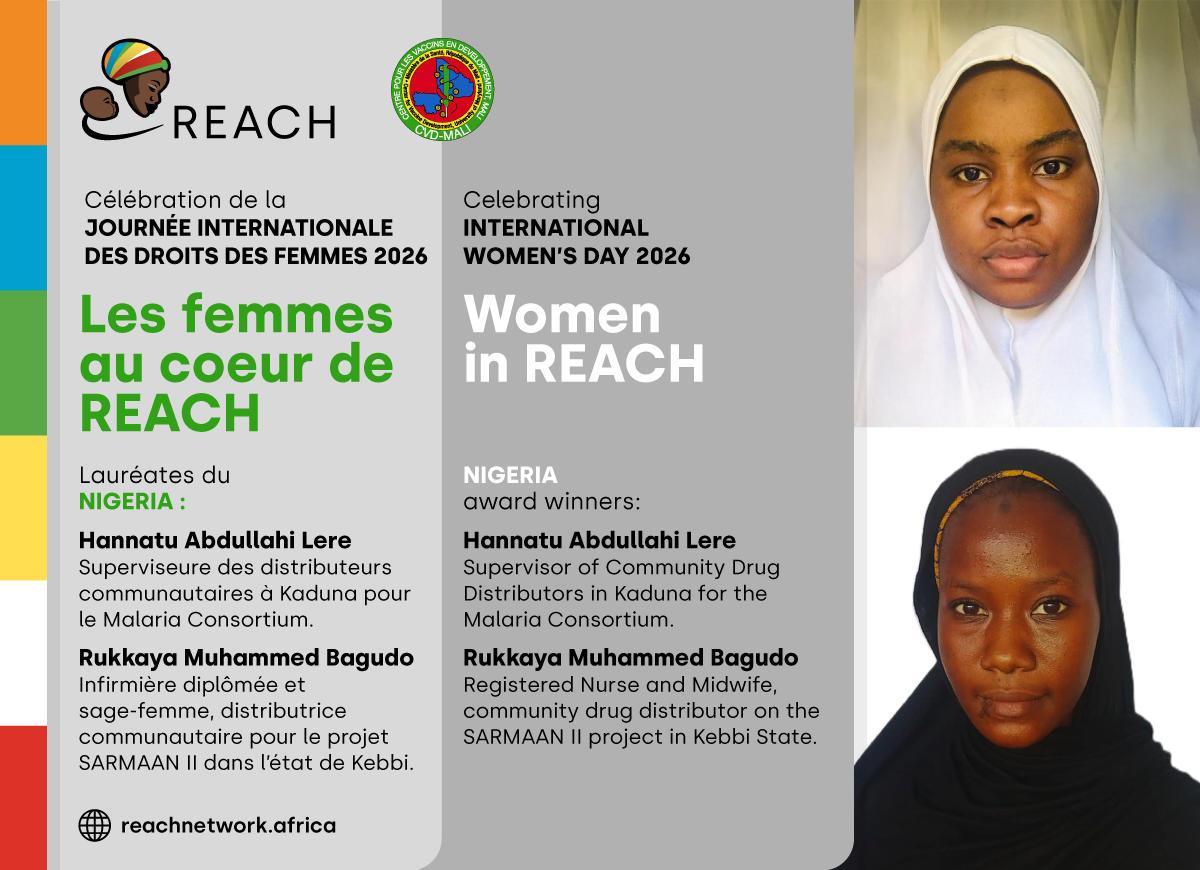
Nigeria
Hannatu Abdullahi Lere
Supervisor of Community Drug Distributors in Kaduna for the Malaria Consortium.
Rukkaya Muhammed Bagudo
Registered Nurse and Midwife, community drug distributor on the SARMAAN II project in Kebbi State.
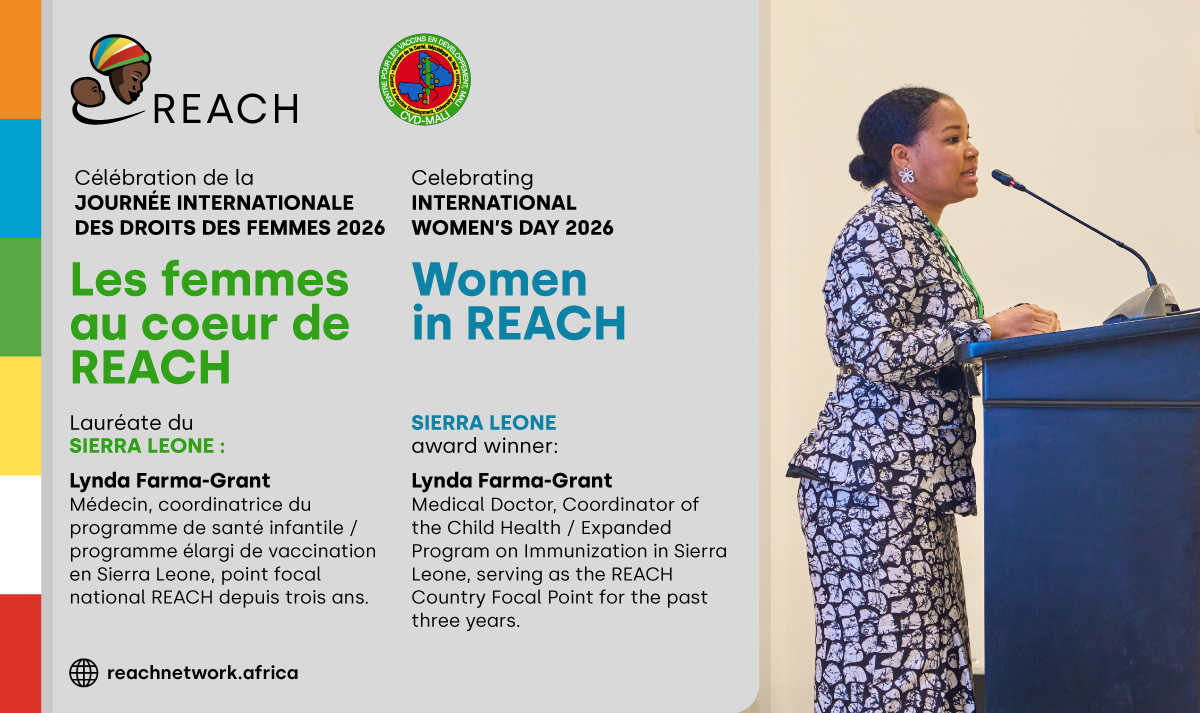
Sierra Leone
Lynda Farma-Grant
Medical Doctor, Coordinator of the Child Health / Expanded Program on Immunization in Sierra Leone, serving as the REACH Country Focal Point for the past three years.
