
by Professor Samba O Sow, Co-chair of the REACH Network and Director General of the Center for Vaccine Development – Mali
At our recent Annual Meeting in Abu Dhabi, integration emerged as one of the most discussed and, perhaps, most misunderstood themes.
In a time of tightening global health budgets, humanitarian strain, and growing expectations on primary health care systems, integration is often presented as an obvious solution. It promises efficiency, cost saving, alignment, and sustainability. Yet, if poorly designed or poorly governed, it also carries real risk.
Integration is not a slogan. It is a choice. And like all choices in public health, it must be made with discipline, humility, and clarity of purpose.
Integration means different things to different people
For those in funding institutions, integration may represent value for money. It may signal reduced duplication, harmonised platforms, and strengthened system efficiency.
For planners, it may mean alignment of timelines, human resources, training, supply chains, and reporting systems.
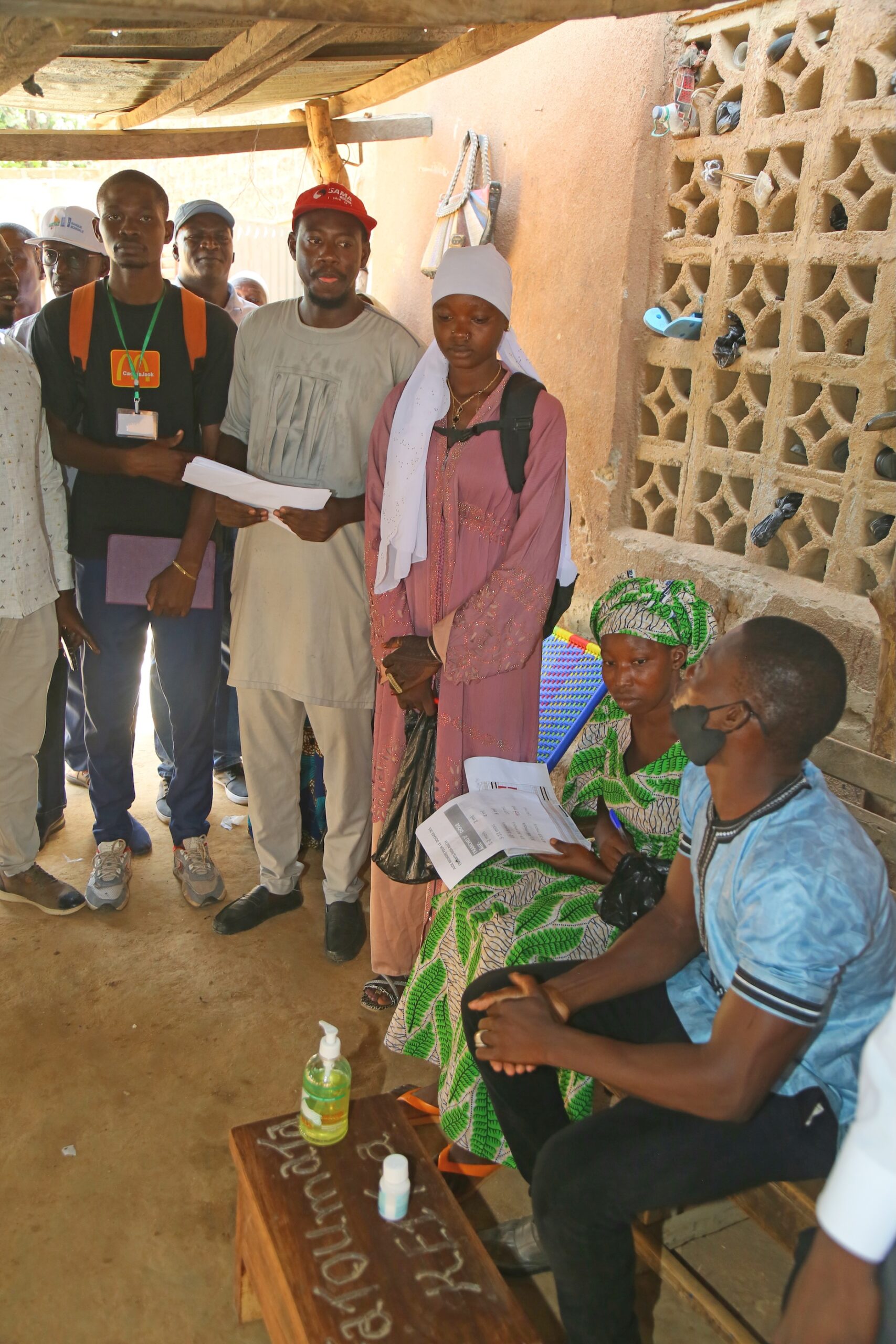
But for those delivering services at the community level, integration may mean one more responsibility added to an already full schedule.
If we are not careful, we risk using the same word while meaning very different things.
At the Annual Meeting, countries were clear: integration must strengthen existing systems, not create parallel ones. It must reduce fragmentation, not shift complexity downward to frontline workers.
Community health workers cannot become the silent absorbers of underfunded ambition.
Integration without adequate financing, supervision, and workforce support risks undermining trust, morale, and quality.
The question is not whether integration is desirable. The question is whether it is feasible, resourced, and owned.
The risks of doing integration badly
The risks are real. Overburdened community platforms. Confused lines of accountability. Diluted programme focus. Weak data interpretation. Ethical uncertainty around combining interventions without sufficient guidance.
Integration is often discussed in technical terms. But it is also deeply political and operational. It requires clarity on who decides, who pays, who implements, and who is accountable.
Under current funding constraints, there is understandable pressure to combine platforms and maximise every delivery opportunity.
Yet if integration becomes a substitute for adequate financing rather than a complement to strong systems, it will fail.
We must be honest about this.
Country ownership: What does it really mean?
Country ownership is a phrase we use frequently. But what does it truly mean and why is it critical for integration?
At REACH, country ownership means that integration decisions are led by national priorities, not external timelines. It means that ministries define how platforms align within primary health care systems. It means that ethical, operational, and financial considerations are debated within national governance structures. It means that partners support, but do not dictate.
Ownership is not consultation. It is decision-making authority.
During the meeting, countries reminded us that ownership looks different in different contexts. In some settings, it means integration through established nutrition platforms. In others, it may mean leveraging polio infrastructure or malaria delivery systems. There is no universal model.
If we each operate with different understandings of ownership and integration, can we succeed? Only if we are willing to align deliberately.
Is true harmonised alignment possible?
Complete harmonisation is difficult. We work across diverse epidemiological contexts, governance environments, and health system capacities. However, disciplined alignment is possible.
Alignment does not require uniformity. It requires shared principles:
- Integration must strengthen systems, not bypass them.
- Stewardship must accompany scale.
- Community burden must be assessed honestly.
- Data must guide decisions, not justify them after the fact.
- Independence and governance safeguards must remain intact.
The REACH Network provides something rare: a structured space where countries can interpret evidence collectively, debate trade-offs openly, and move forward without isolation.
In an era of fragmented funding and competing priorities, this matters greatly.
Who should lead these discussions?
It is clear to me that countries must lead these discussions.
Ministries of Health, national programme teams, and local institutions must determine the pace and form of integration. Independent experts provide scrutiny. Partners provide technical and financial support. Networks such as REACH provide convening space and shared learning.
But leadership must sit with countries.
Our role as a Network is not to prescribe integration models. It is to facilitate disciplined dialogue, surface risks, share lessons, and ensure that decisions are informed by evidence and stewardship.
Integration as a platform for responsibility
If done well, integration offers opportunity. It allows us to embed child survival tools within stronger primary health care systems. It enables communities to receive multiple services through trusted platforms. It strengthens sustainability when financing shifts.
But integration is not an end in itself. It is a mechanism to protect children’s lives.
In 2026, we should approach integration neither with blind optimism nor defensive hesitation. Rather, we should approach the subject with prudence and humility.
Under funding restrictions, we are tempted to do more with less. The discipline of REACH is to ask: are we doing that responsibly?
The strength of our Network lies not only in shared ambition, but in shared accountability. If we continue to align around country leadership, scientific integrity, and honest dialogue about risk, integration can become a pathway to stronger systems rather than a source of strain.
The children we serve deserve nothing less.
