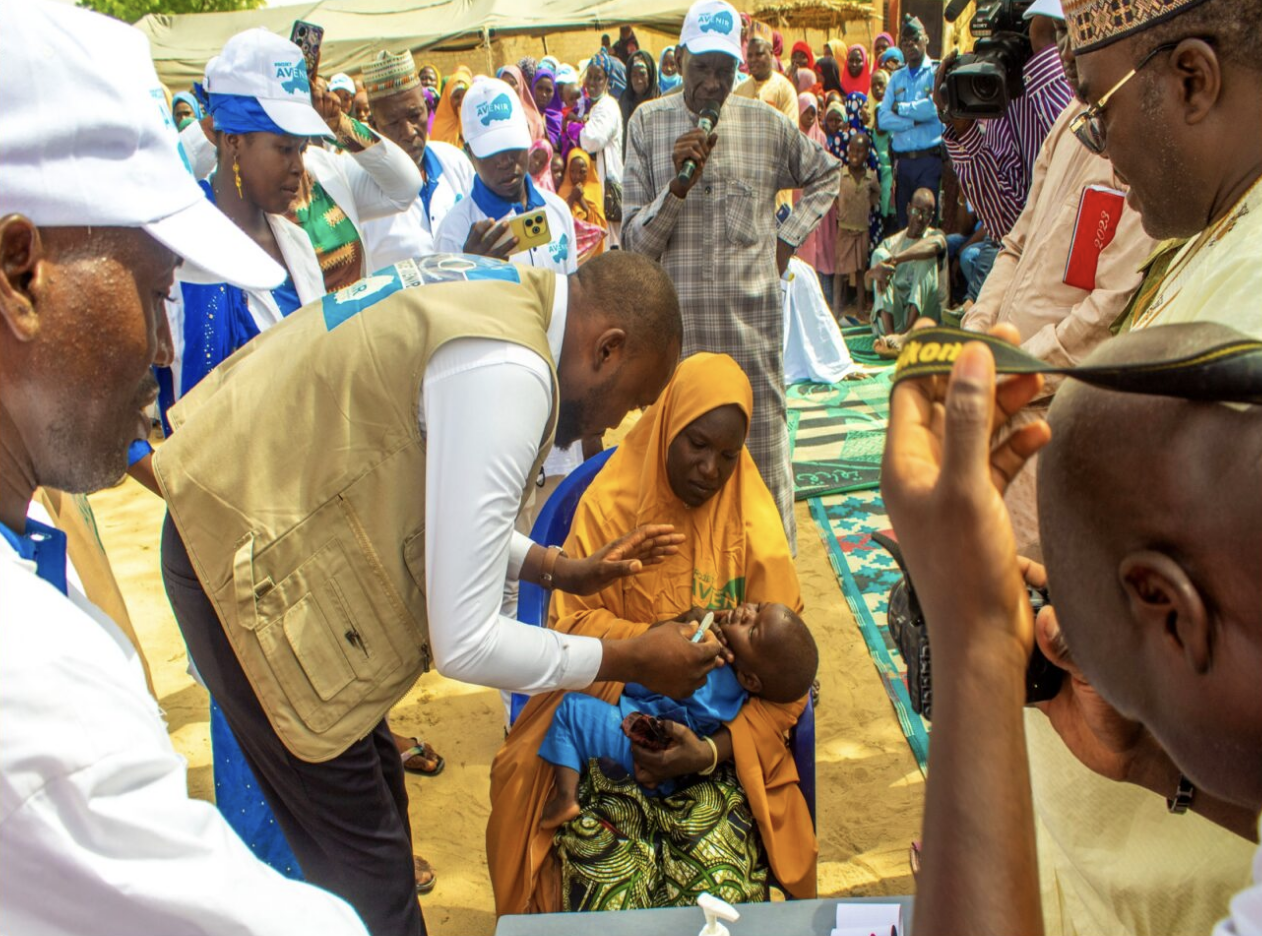
From 15 to 19 July 2026, the REACH AVENIR project in Niger, in collaboration with the Ministry of Health and Public Hygiene, is implementing a mass distribution administration (MDA) campaign, delivering azithromycin to children aged between 1 and 59 months in the regions of Dosso, Tahoua, Maradi, Zinder and Agadez.
This public health intervention, part of an operational research project, aims to strengthen scientific knowledge on prevention strategies and to generate evidence to inform health policy in Niger.
A major initiative to reduce mortality among children under five, AVENIR’s azithromycin MDA will target trachoma, respiratory infections (including pneumonia), diarrhoea, skin infections, and certain forms of malaria in children aged 1-59 months.
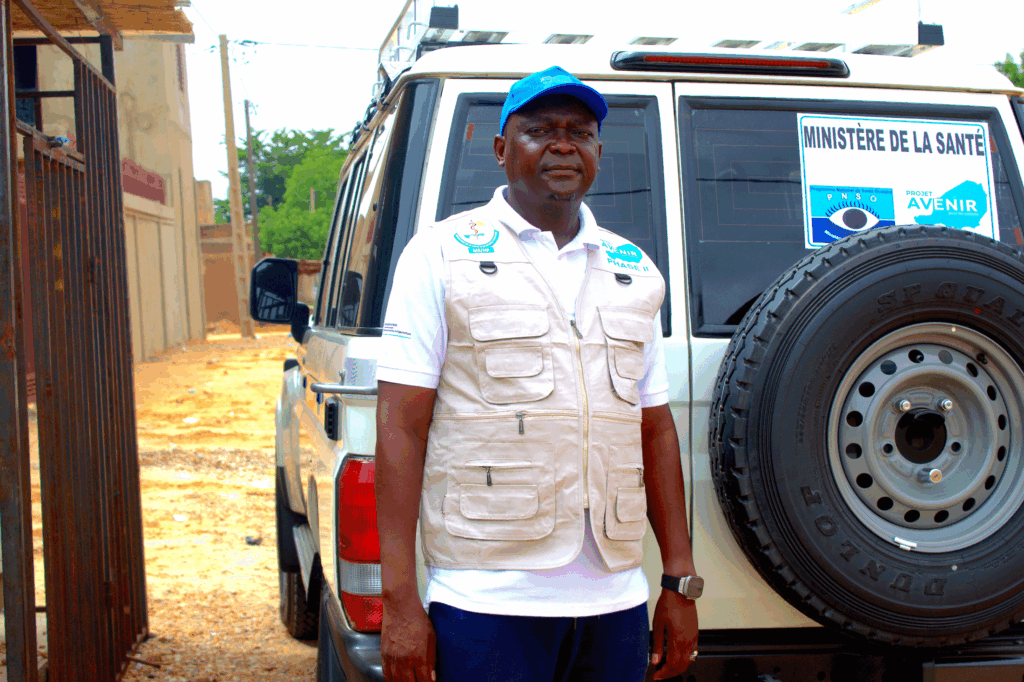
Niger’s ongoing commitment to child health and wellbeing, through the current MDA, is being led by the AVENIR project team in partnership with the Ministry of Health and Public Hygiene, the Regional Directorates of Health and Public Hygiene (DRSHP), health districts, and technical and financial partners.
This initiative also brings together community health workers, local leaders and partners around a common goal: to ensure rigorous implementation of the intervention while also generating high-quality scientific data to improve public health strategies.
Operational research in support of health policy
The MDA is part of an operational research approach aimed at documenting the implementation of this strategy in the Nigerien context. Beyond the campaign itself, this research will assess the feasibility of the intervention, the quality of its execution, community uptake and the efficacity of coordination mechanisms between the various stakeholders.
The findings will help to advance scientific knowledge and guide the decisions of health authorities in terms of public health interventions for young children.
Shared commitment
According to the National Coordinator of the AVENIR project, Dr Ahmed Arzika, this campaign illustrates the shared commitment of national institutions and partners and the practical application of research in the public health sphere.
“The mass distribution of azithromycin is much more than a field intervention alone,” he says.
“It also represents an opportunity to generate high-quality scientific data, to build the capacity of our teams and to improve approaches to implementing public health interventions.
“Thanks to close collaboration between the Ministry of Health and Public Hygiene, the AVENIR project team, and all our partners, we are putting in place a rigorous framework that will help generate evidence useful for future health decisions in Niger.
“We encourage communities to support this campaign – together we can succeed.”
Thorough preparations across all five regions
To ensure the smooth rollout of this campaign, extensive preparatory work has been carried out in all five participating regions.
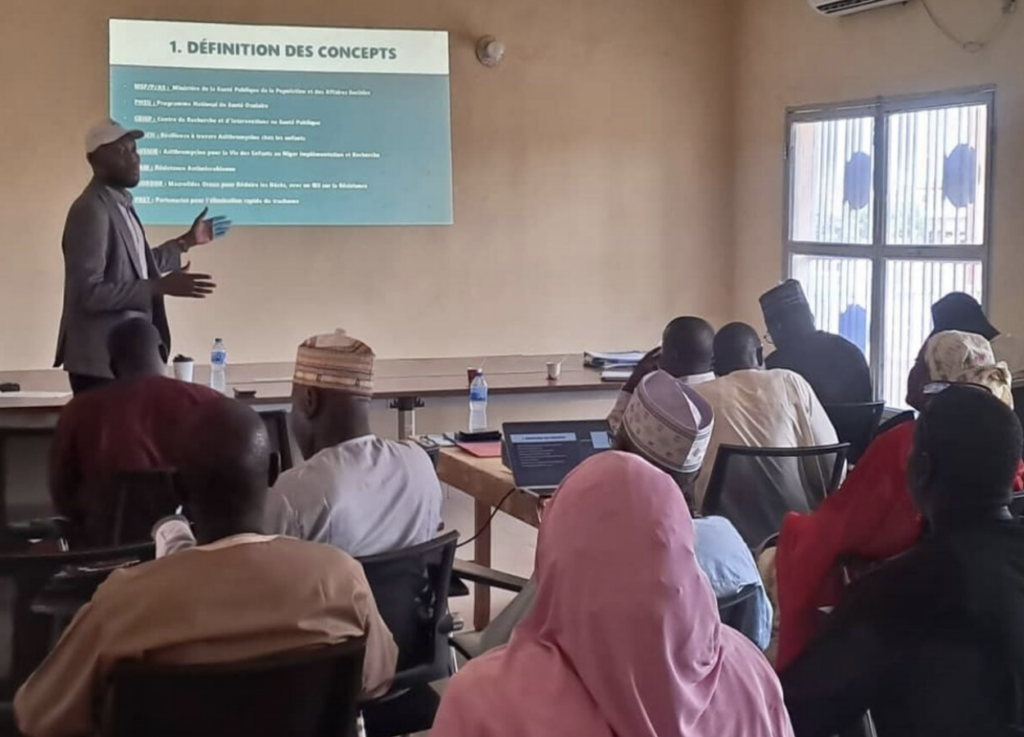
Teams from the AVENIR project and the Ministry of Health and Public Hygiene planned the interventions, ensuring coordination with the administrative and health authorities, while also training supervisors, heads of Integrated Health Centres (CSIs), distribution coordinators and investigators responsible for monitoring adherence to the research protocol.
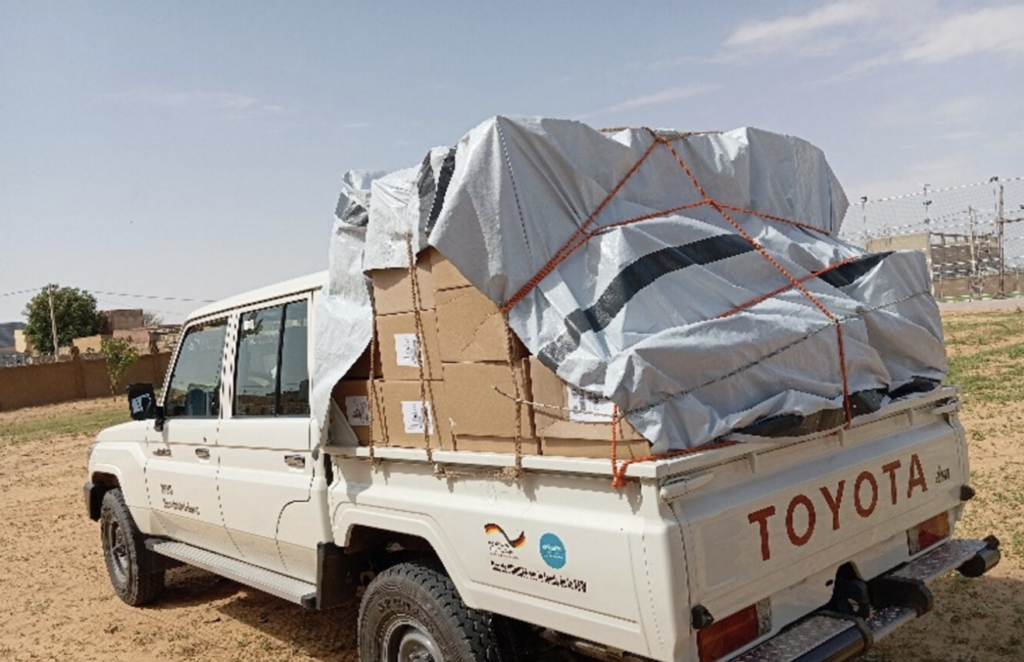
At the same time, the deployment of supervision teams, the distribution of azithromycin and consumables to health facilities, the set-up of data collection tools, and communication and community mobilisation activities were all carried out to ensure the best possible conditions for the campaign’s launch.
In all regions, community radio stations, and local media and leaders were mobilised to raise public awareness and encourage participation.
Collective engagement for high-quality implementation
The success of this campaign relies on strong synergies between the various stakeholders involved.
The Ministry of Health and Public Hygiene, the regional health directorates, health district teams, and the AVENIR project teams and its technical partners are working in a coordinated manner to ensure on-the-ground supervision, adherence to the research protocol and harmonised implementation across all intervention sites.
Joint supervision mechanisms will accompany the teams throughout the campaign, monitor activities, providing ongoing technical support and ensuring that high quality data are collected.
A strengthened scientific monitoring framework
The campaign includes a comprehensive monitoring and quality assurance mechanism.
Teams responsible for monitoring protocol adherence, process mapping and operational supervision will document the campaign’s progress, teams’ performance, and the challenges encountered.
At the end of the campaign, the collected data will undergo in-depth analysis before being shared with the appropriate stakeholders and partners, enabling recommendations to be formulated for future interventions.
Expected outcomes
Broad coverage of children aged between 1 and 59 months in the five participating regions
Reliable scientific data on the mass distribution of azithromycin in the Nigerien context
Building the capacity of health workers and community stakeholders involved in the campaign
Improved coordination, supervision and logistical management mechanisms
Identify best practices and challenges in order to guide future public health interventions
A commitment to the children of Niger
Through this campaign, the AVENIR project, the Ministry of Health and Public Hygiene and their partners reaffirm their commitment to innovation, operational research and strengthening the health system.
From 15 to 19 July 2026, teams will be deployed across the regions of Dosso, Tahoua, Maradi, Zinder and Agadez to ensure the smooth running of this campaign, the lessons from which will help to improve public health strategies and further strengthen interventions aimed at improving the health outcomes of children in Niger.
AVENIR implementation partners