A reflection on International Women’s Day 2026 by Dr Camilla Ducker, Director of the REACH Network
#GiveToGain
The 2026 International Women’s Day theme, #GiveToGain, challenges the idea that giving diminishes us. Instead, it reframes generosity as an investment that amplifies impact over time. It asks what becomes possible when we intentionally give time, share power, extend trust, and open doors for others.
In global health, and especially within the REACH Network, this is not abstract. It is practical and measurable.
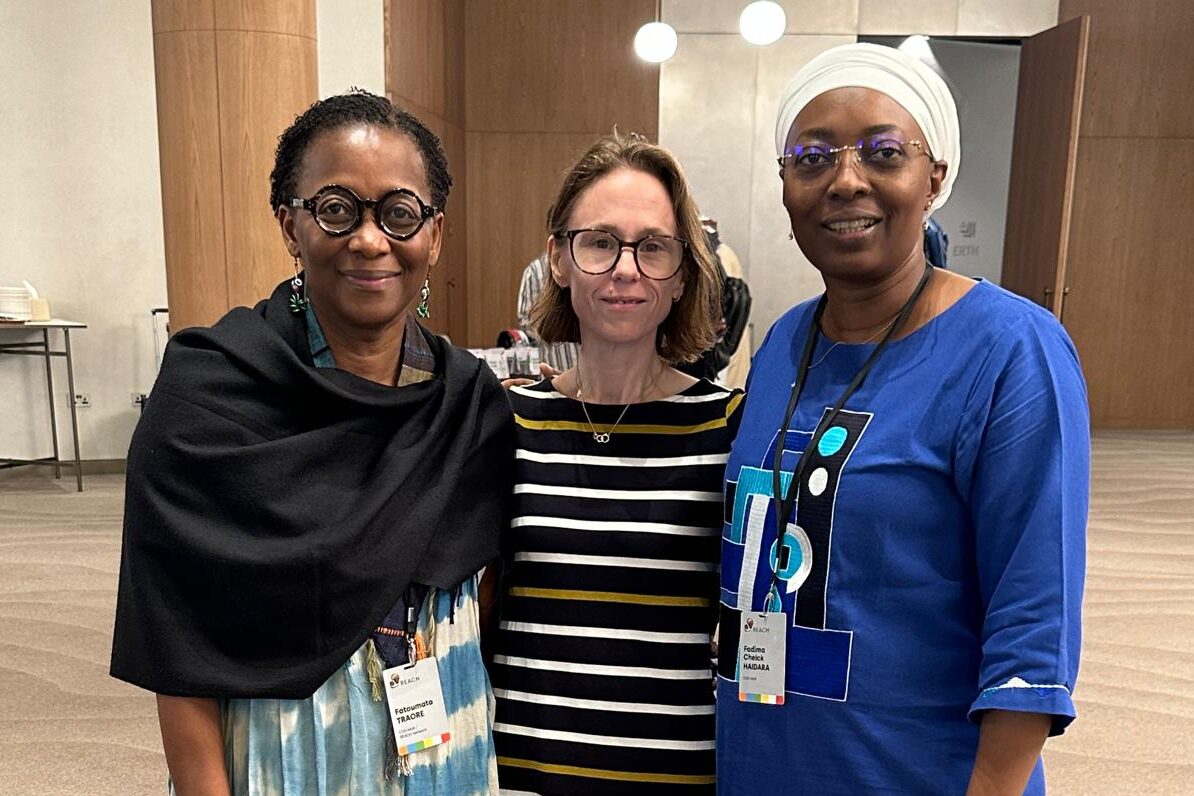
L to R: Dr Fatoumata Traoré Touré, Senior Technical Lead, REACH Network; Dr Camilla Ducker, Director, REACH Network; Dr Fadima Cheick Haidara, Chief Operations Officer, CVD-Mali
When we give women leadership, when we create space for country ownership, when we invest in mentorship and visibility, we do not lose influence. We strengthen institutions, improve outcomes, and expand collective impact.
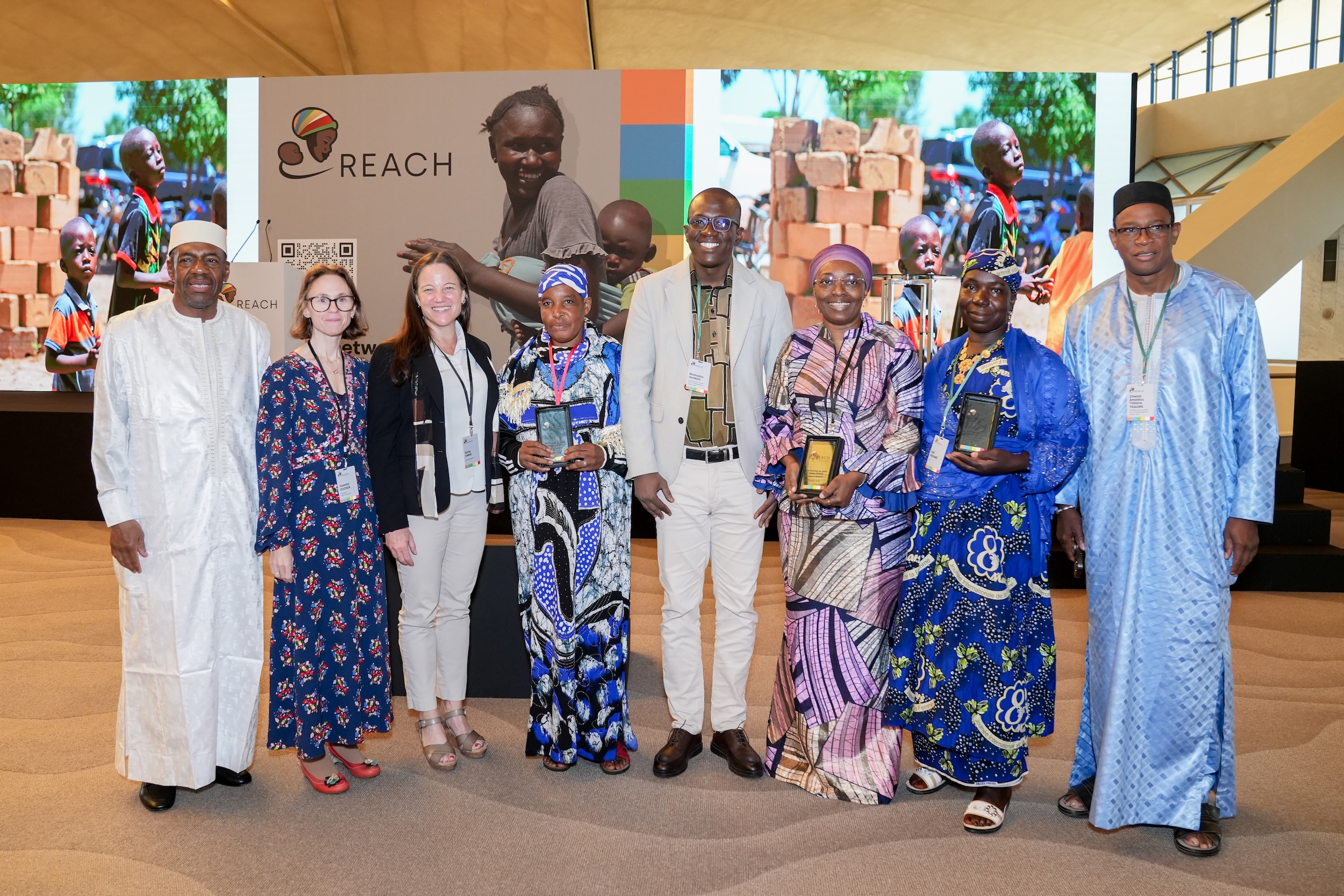
At the 2025 REACH Annual Meeting in Abu Dhabi, the Women in REACH session was a moment for celebration. It was also a signal of intent.
Women were recognised at community, district and national levels, from community drug distributors and nurses to programme managers and scientific leaders.
And the message was clear: Child survival is not sustained by policy statements alone. It is sustained, in large part, by women.
Giving recognition, gaining stronger systems
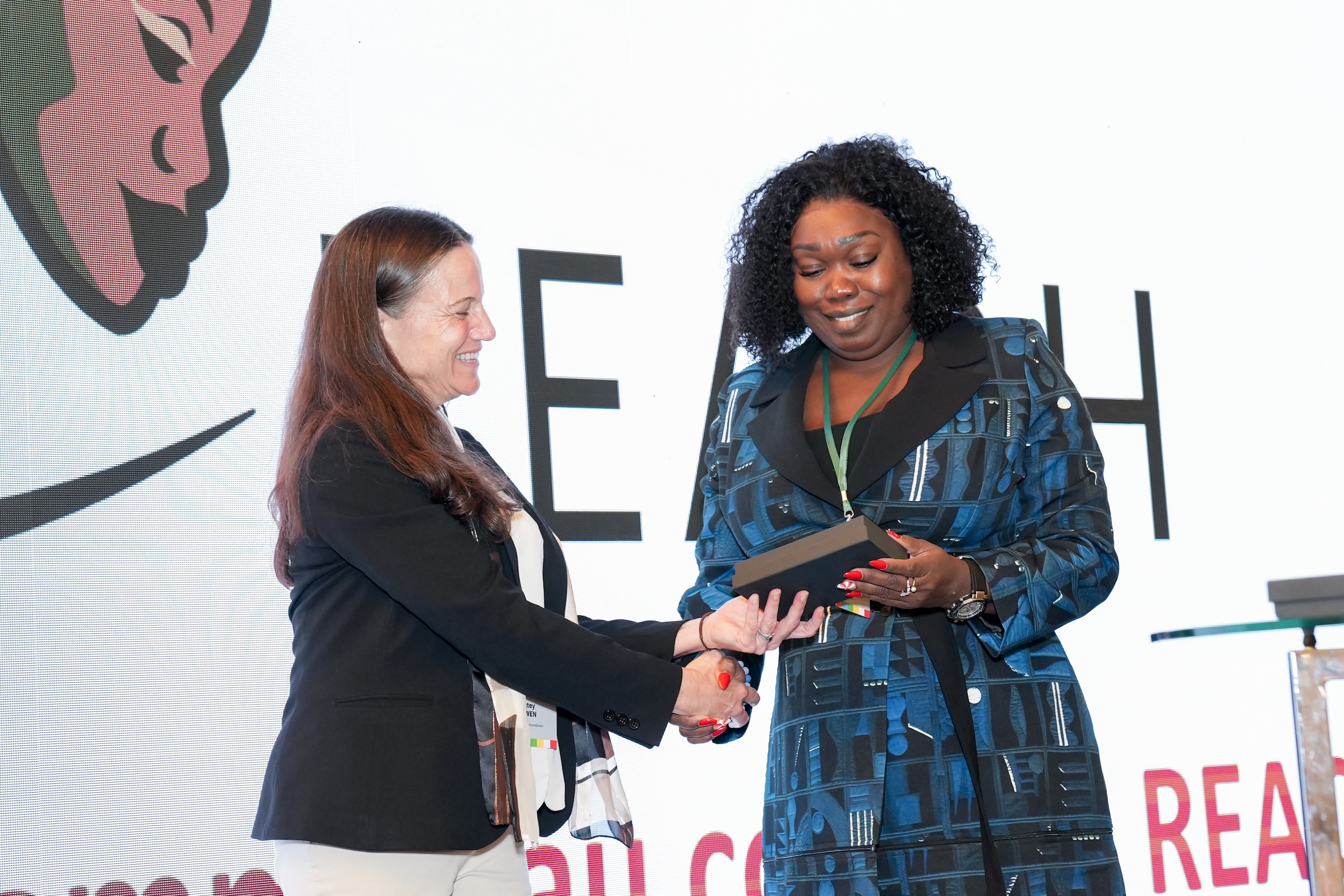
Recognition may seem symbolic, but symbolism shapes systems. When women who lead implementation are publicly acknowledged, something shifts. Visibility increases. Authority is legitimised. Younger women see pathways that previously appeared closed.
In fragile and resource-constrained settings, where community health workers often operate with limited support, recognition is not vanity but validation.
The REACH Network understands that giving visibility to women is a strategic investment. When women are supported and empowered, the entire delivery platform strengthens. Decision-making improves and community trust deepens. Retention rates increase.
This is reciprocity in action.
Giving leadership space, gaining accountability
The 2025 meeting report emphasises a central principle: national ownership, African leadership, and locally-grounded institutions must guide all that we do. That principle is inseparable from women’s leadership.
In many REACH countries, women are the backbone of service delivery. They manage community engagement, supervise field implementation, interpret data and anchor district-level coordination. Yet leadership spaces, especially at higher decision-making levels, have not always reflected this reality.
To intentionally give leadership space at policy tables, in technical working groups, and within governance structures is to gain accountability and sustainability. Diverse leadership strengthens stewardship, improving the balance between ambition and feasibility. It ensures integration discussions give real consideration to the lived realities of frontline workers.
When integration risks overburdening community platforms, it is often women who feel this first. Their voices must be central in those conversations.
Giving resources, gaining equity
#GiveToGain also speaks to economic empowerment.
In public health delivery, women’s labour is frequently under-recognised and under-compensated. Integration, and constraints relating to under-funding in particular, can inadvertently increase demands on women without increasing support.
The discussions at the REACH Network’s Annual Meeting were candid about the risks of overburdening community health workers and creating complexity without resources.
“Equity in child survival cannot exist without equity in the workforce delivering it.”
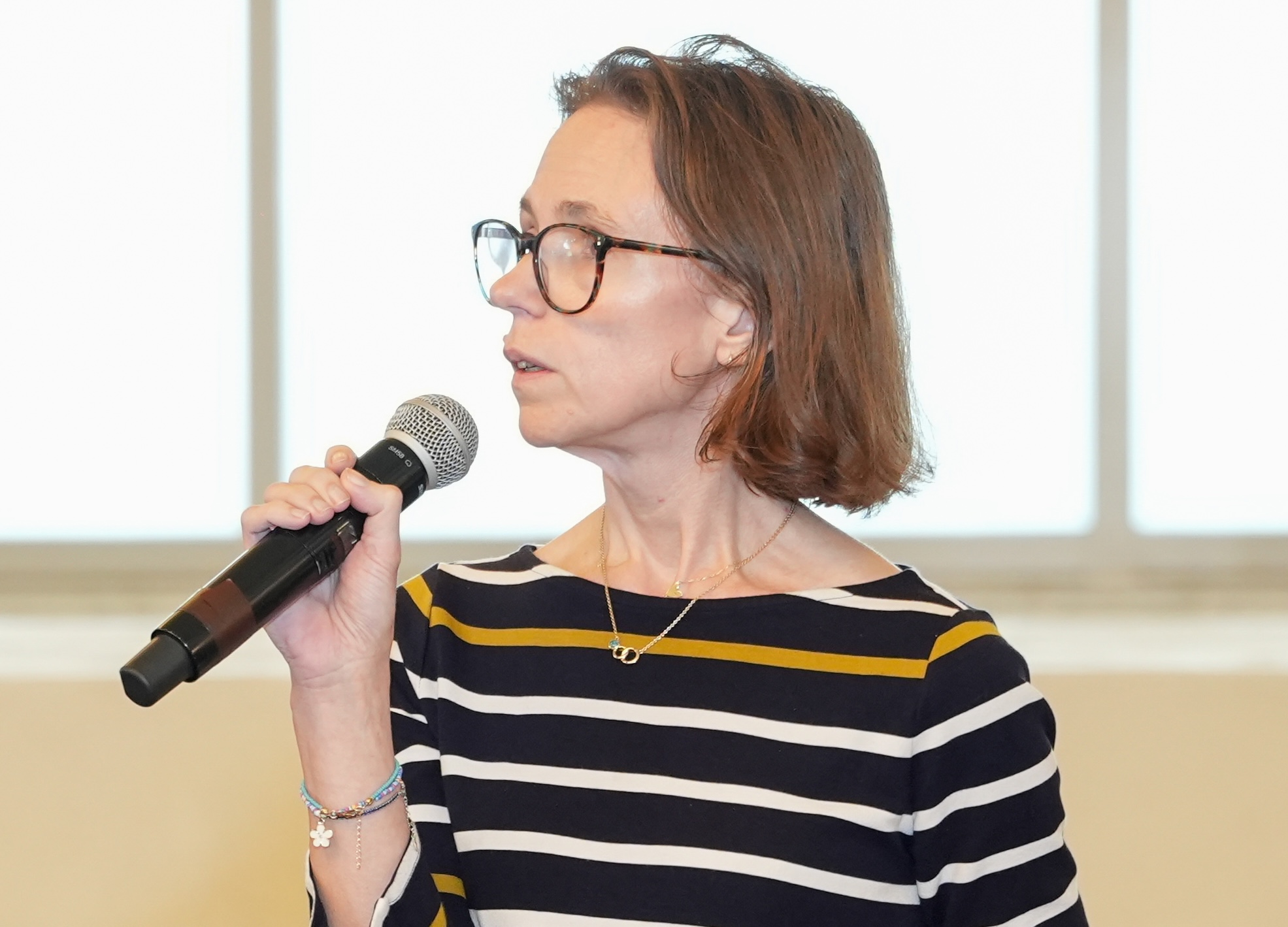
Dr Camilla Ducker
Director, REACH Network
Giving knowledge, gaining confidence
The REACH Network functions as a platform for shared interpretation of evidence, from mortality measurement to AMR stewardship
Women across REACH countries contribute operational intelligence that rarely appears in academic journals. This knowledge fundamentally shapes success, however. When their experience and practical knowledge is elevated and shared across the Network, all countries benefit.
#GiveToGain in this context means giving space for peer learning, mentorship and shared problem solving, and ensuring that technical dialogue includes those closest to communities.

Balancing the scales: structural commitment
A further theme of this year’s International Women’s Day, “Balancing the scales”, reminds us that generosity must be accompanied by structural change. Good intentions alone do not produce equality.
In REACH, this means that we embed gender equity into governance norms, working group composition and communication outputs. We track and put in place representation, rather than assuming it. And we recognise that country ownership must include women’s ownership.
If integration is to succeed, if stewardship is to be responsible, and if the scale-up of REACH interventions is to be sustainable, women must not only implement decisions but shape them as well.
A Network that multiplies impact
The REACH Network is currently at a pivotal moment. Fiscal constraints are real, and the pressure to integrate services is growing. Governance is getting increasingly complex. In such an environment, reciprocity becomes more important, not less.
When we give intentionally of our recognition, resources, leadership opportunities and knowledge, when we share, we do not lose capacity, we gain.
Women in REACH are not beneficiaries of generosity. They are architects of progress.
On International Women’s Day 2026, #GiveToGain is a strategic and practical imperative. When women rise within health systems, child survival rates rise with them. When we invest in their leadership, we strengthen our collective ability to move from momentum to scale.
In so doing, we honour a principle that has guided REACH since its inception: equity is not optional, it must be at the heart of all that we do.