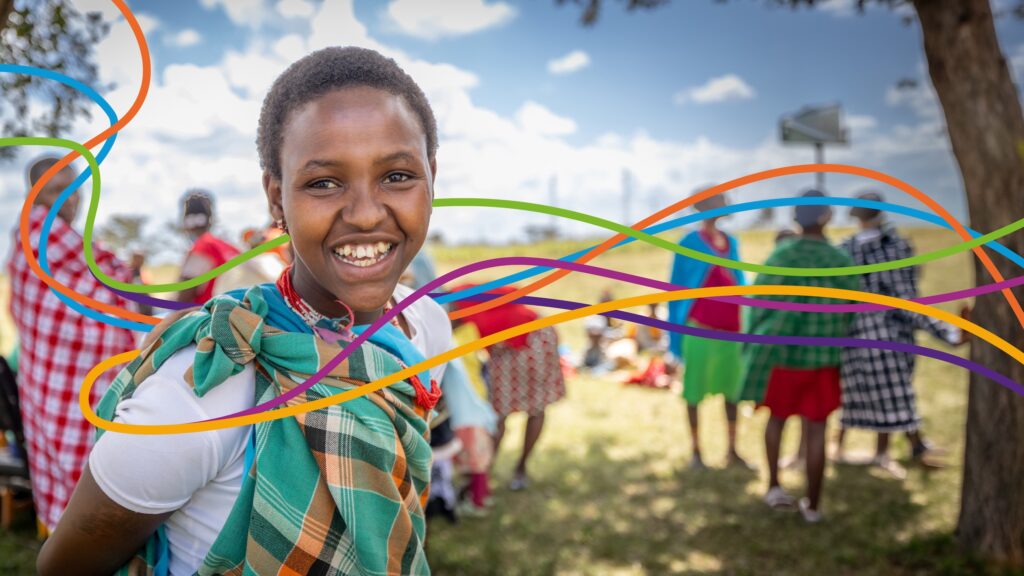
World Health Day, observed annually on 7 April, under the aegis of the World Health Organization, has long served as a focal point for aligning global health priorities with practical action.
In 2026, the campaign theme is “Together for health, Stand with science”, and this emphasis on evidence-based decision-making, building trust in public health, and advancing science- and country-led solutions for a healthier future is a perfect fit with the REACH Network’s vision and way of working.
Addressing persistent challenges
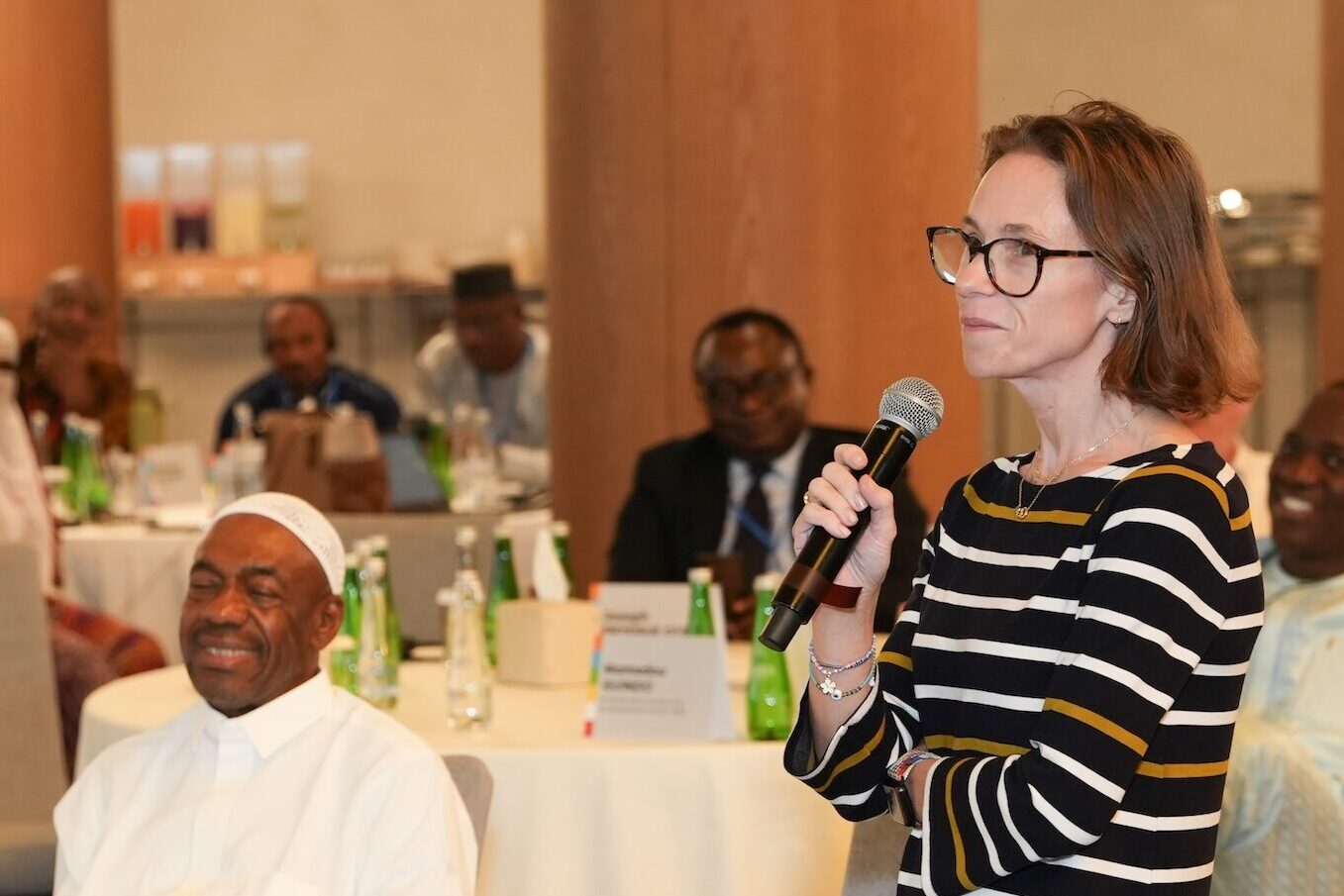
Dr Camilla Ducker, Director of the REACH Network, explains:
“At its core, the REACH Network is a collaborative platform which brings together policymakers, researchers, and public health practitioners from across West Africa and beyond, to tackle one of the most persistent challenges in global health: preventable child mortality.
“Through mass administration of azithromycin, coupled with other scalable and equitable interventions, REACH operates at the intersection of science and public health implementation.
Our work as a Network, through the dedication of our country teams in particular, embodies the principles of World Health Day 2026: our work is driven by science, as we engage directly with data derived from rigorous trials, and real-world surveillance, monitoring, and evidence.
“This is the basis from which all of our interventions in communities the length and breadth of West Africa are launched.”
The view from Burkina Faso
The World Health Day campaign, based on an engagement “with evidence, facts, and science-based guidance to protect health,” is an important recognition that scientific knowledge has to underpin effective health systems if these are to be effective.
A concrete example of this is currently to be found in Burkina Faso, where after years of rigorous and painstaking scientific studies, the ministry of health has authorised the progressive scale-up of REACH azithromycin for child survival campaigns in the country.
This means that, during the first two quarters of 2026, the REACH team in Burkina Faso has been incredibly busy, preparing and validating an annual work plan, communications plans, national guidelines for campaign implementation, and conducting diligent advocacy work, as well as building and developing the essential infrastructure that will underpin REACH activities in Burkina alongside health authorities and decentralised, district personnel.
Country ownership for better health
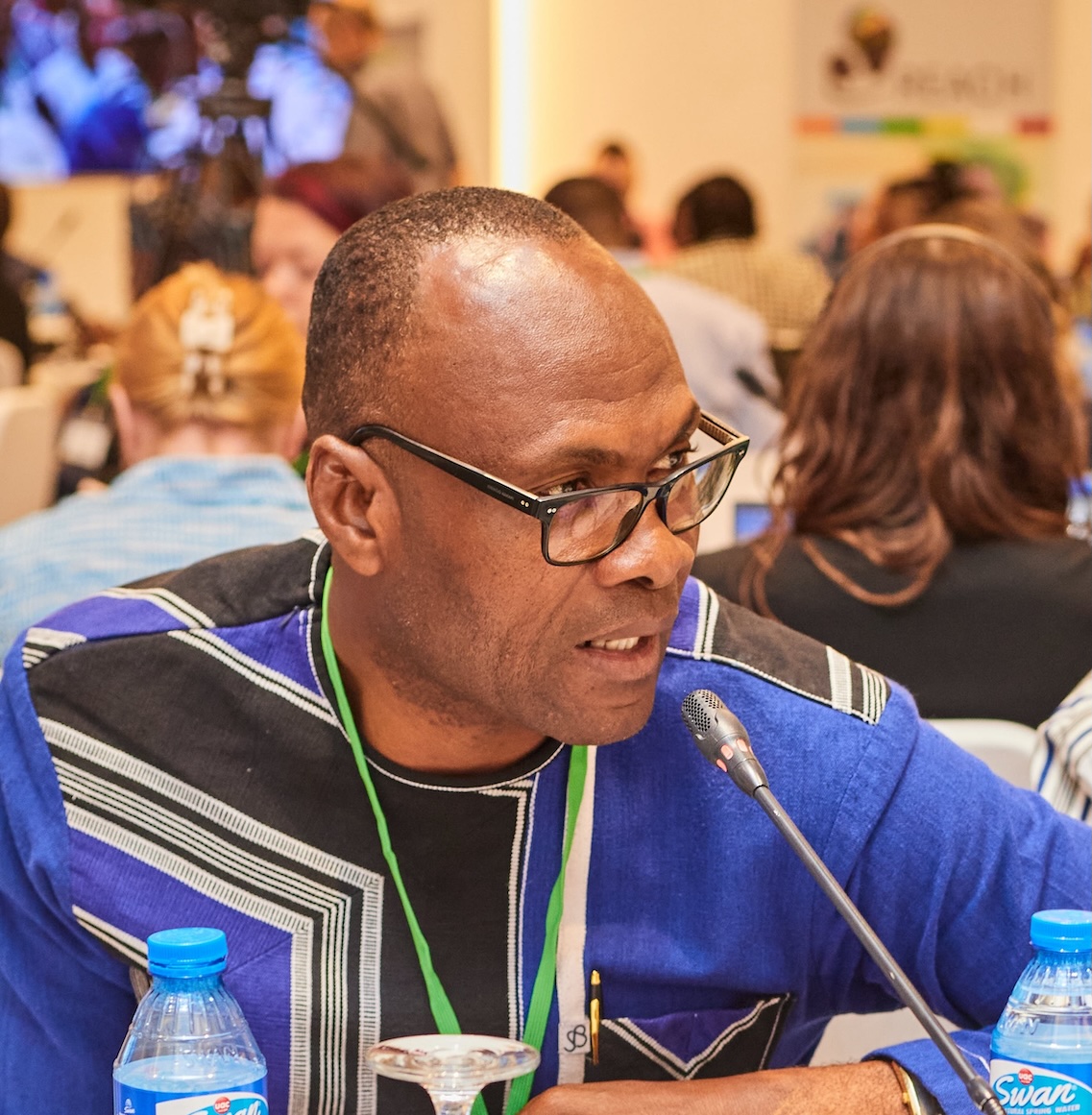
According to the REACH Network Country Focal Point for Burkina Faso, and Coordinator of the MIRAMA project with Helen Keller International, Dr Souleymane Sidibé,
“The REACH model, grounded in scientific evidence, country ownership, learning from our peers in neighbouring countries, and strong partnerships with our national authorities, shows that it is possible to come together for health, and to stand with science in the service of communities, in particular those which will benefit most from essential child survival interventions such as REACH.
The work we do in communities across Burkina Faso is a contribution to a region-wide commitment to data-driven, evidence-based, operational knowledge that governments can leverage to make informed decisions about scaling up life-saving programmes for children in the most vulnerable, high-burden areas.
Building virtuous circles
Equally important is World Health Day’s second objective for 2026: building – or rebuilding – trust in science and public health.
Trust is a mutually reinforcing element in all effective public health interventions.
When interventions are successful, they are appreciated and trusted by communities, who subsequently want to see these integrated with routine services. This is particularly true in settings where access to care is limited, or historical inequities have eroded confidence in health systems.
The collaborative and country-led approach of REACH is critical in this respect.
REACH Network Co-chair, Professor Samba Sow, takes up the story:
“By working closely with national authorities and embedding research within existing health systems,” he says, “the REACH Network ensures that interventions are not only scientifically sound but also locally relevant and culturally acceptable.
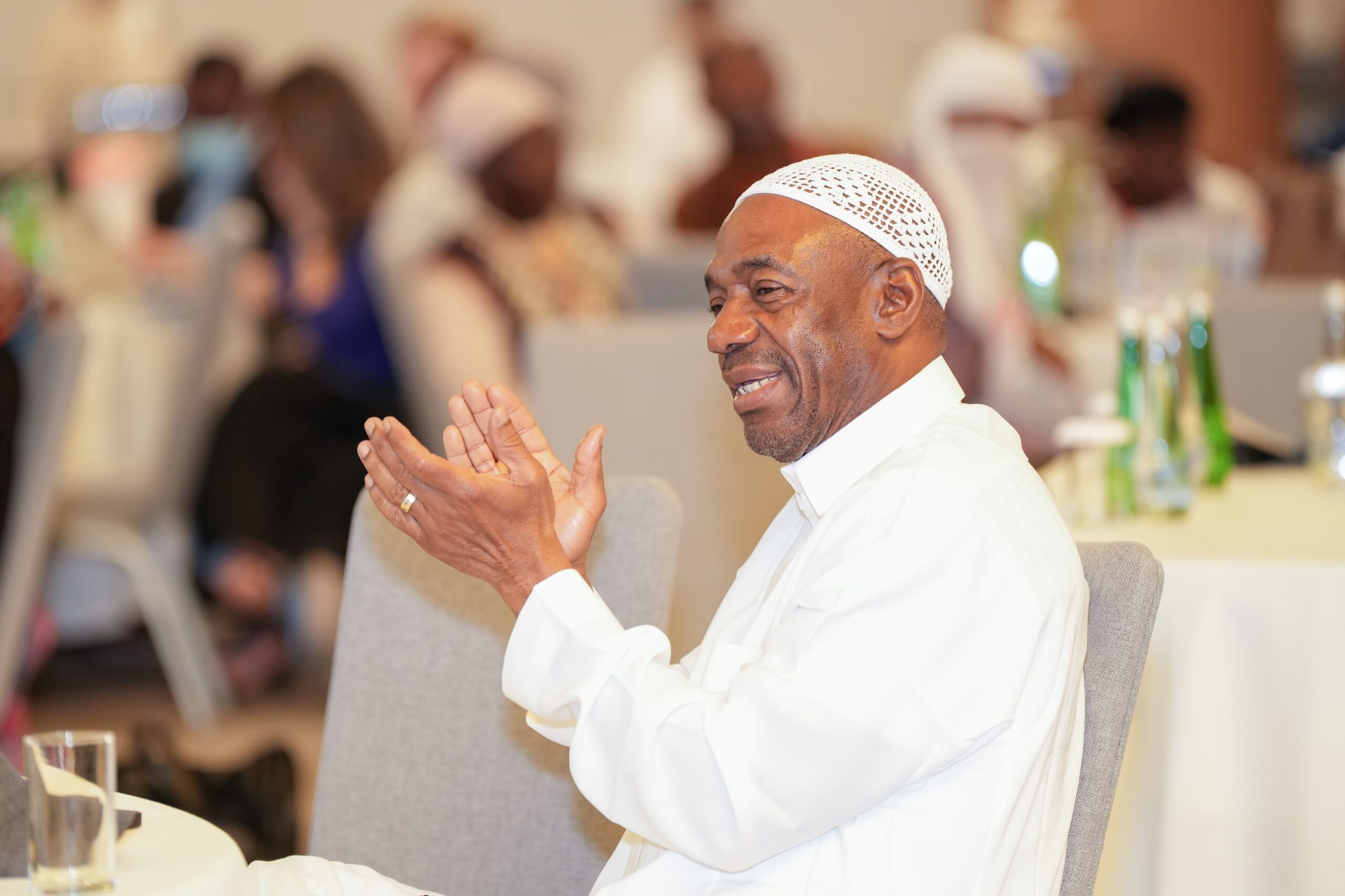
“On World Health Day, every day indeed, scientific progress must be coupled with collaboration on the ground, so that we can translate evidence into real, tangible action on behalf of communities and families.
“REACH exemplifies this principle: insights generated in one context can inform strategies in another, enabling us to develop together as a network of partners, and to strengthen health resilience regionally.”
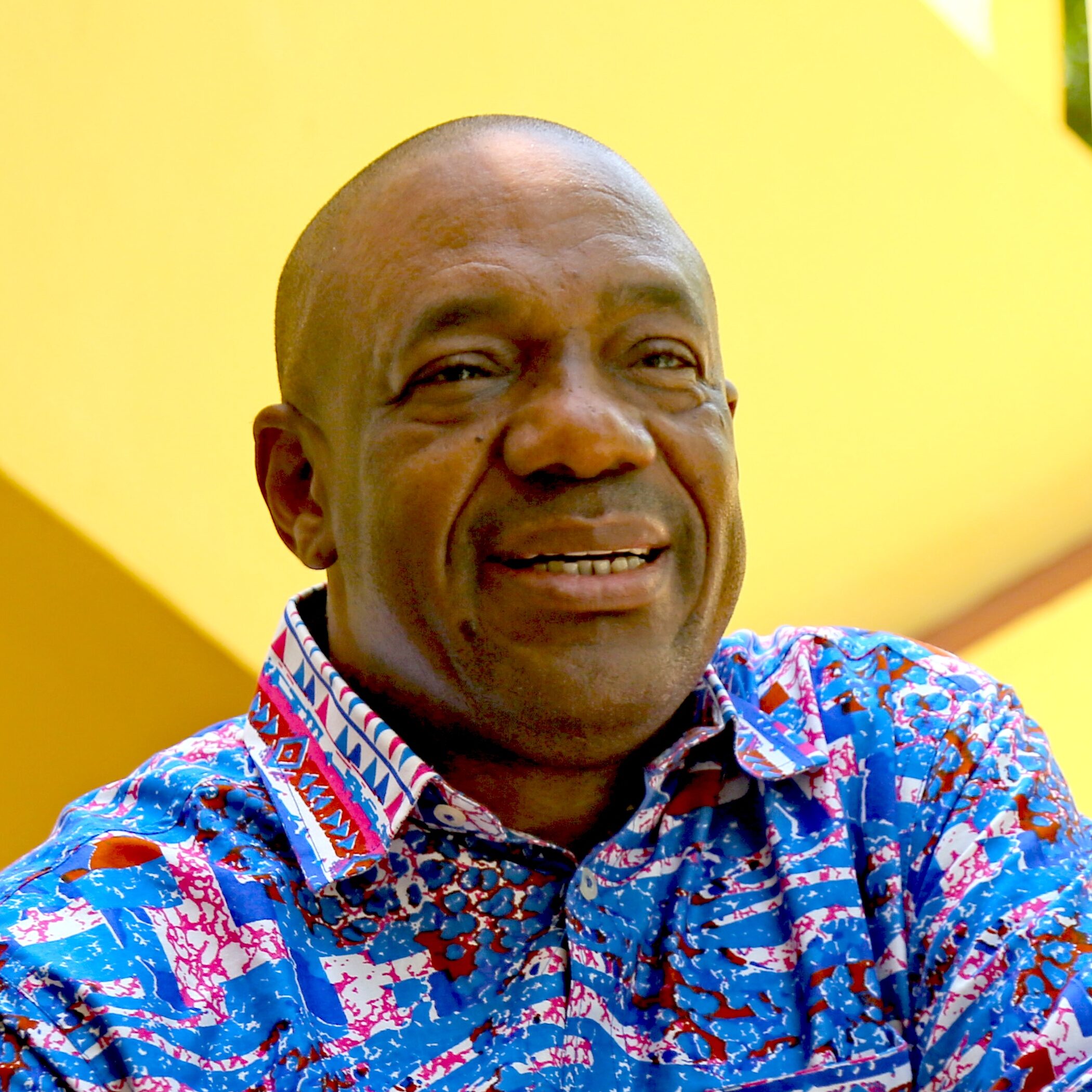
Professor Samba O Sow
Co-chair, REACH Network
Science in support of UHC
The third pillar of the World Health Day campaign this year – supporting science-led solutions for a healthier future – finds clear expression in REACH’s focus on scalable, cost-effective interventions.
Mass drug administration programmes, when supported by robust evidence and accompanied by careful monitoring and surveillance of mortality and antimicrobial resistance rates, are a powerful tool for reducing mortality in high-burden settings and the REACH Network’s work demonstrates how such interventions can be designed, tested, and implemented at scale, bridging the gap between knowledge-production and measurable health outcomes.
This has direct implications for Universal Health Coverage (UHC), a longstanding global health goal that seeks to ensure that people everywhere have access to the health services they need, without incurring financial hardship.
Dr Ducker explains:
While World Health Day themes have repeatedly highlighted UHC as a priority, delivering the universal health coverage that will make such a difference to lives and communities throughout the world requires that we commit to practical, evidence-based solutions that can be delivered equitably and sustainably.
Feasibility and affordability
“REACH contributes to this agenda by focusing on interventions that are just that, affordable and feasible. In resource-constrained settings, this is paramount,” Dr Ducker says.
“As we look to the future, from an uncertain present, we must ensure that our best interventions for child survival achieve these dual goals.
“Only then will we be able to deliver on the longstanding commitments we are dutybound to make to all the world’s communities: to ensure that everyone, everywhere has access to the healthcare services that will enable them and their families to live, work, thrive, and prosper.”