#FEBRUARY11
On the International Day of Women and Girls in Science, the REACH Network is proud to celebrate women whose scientific expertise, technical leadership, and operational excellence drive its mission to reduce preventable child mortality across Africa.
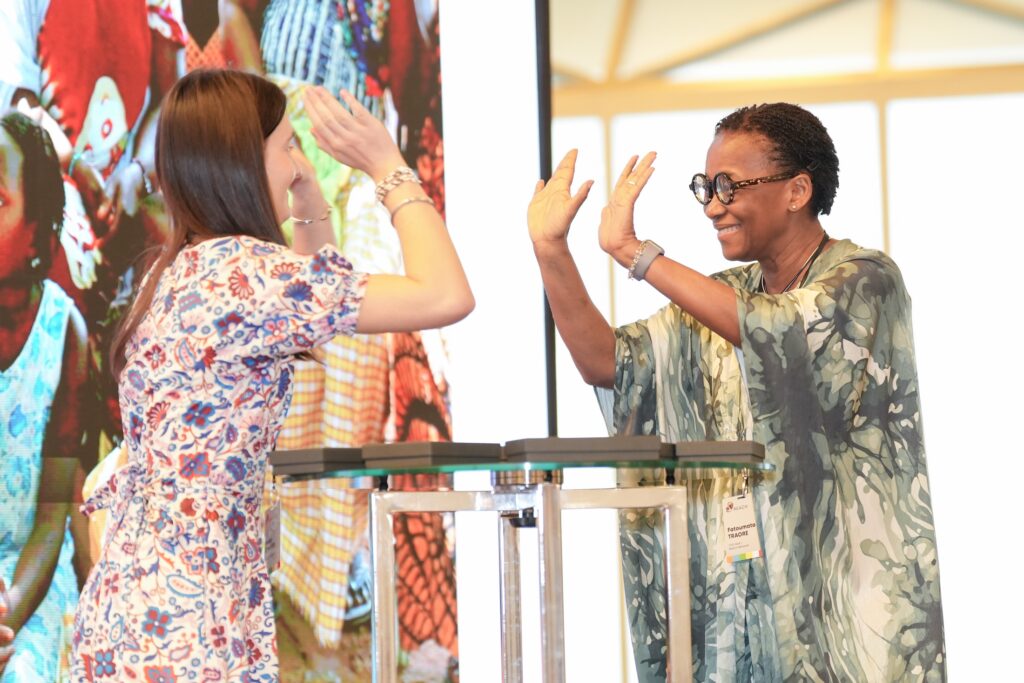
The REACH Network’s work – delivering integrated azithromycin interventions to reduce mortality rates among children aged 1-59 months – depends on expertise in a number of fields.
But its bedrock is in the application of scientific learning, technology, and analysis.
And women are front and centre in this work.
Innovation and application
From antimicrobial resistance (AMR) monitoring and mortality surveillance to health economics, programme design, and data-driven decision-making, the contribution women make to ensuring that REACH interventions are effective, equitable, and scalable is immeasurable.
Scientists, nurses, economists, programme managers, and community health workers bring their expertise and learning to bear at every level of REACH activities.
They generate and analyse surveillance data, oversee implementation of complex field operations, monitor safety and resistance patterns, and translate evidence into policy-relevant insights on behalf of health ministries, at the very highest levels.
Saving lives across West Africa
This technical knowledge ensures that life-saving interventions are grounded in rigorous science and, crucially, that they respond to the realities of diverse communities the length and breadth of West Africa.
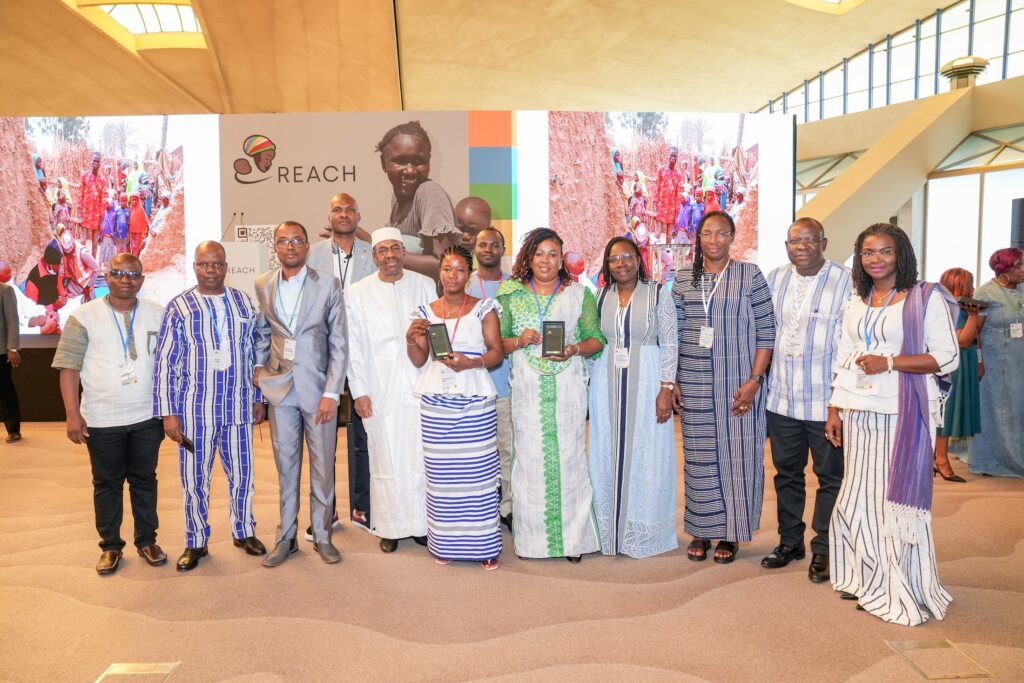
The contribution women make to REACH was formally recognised at the Network’s 2025 Annual Meeting in Abu Dhabi.
Exceptional commitment and leadership
The inaugural Women in REACH event celebrated professionals working in community-level delivery, national coordination, and senior scientific and leadership positions, amply illustrating the breadth of women’s impact across the Network.
Women representing participating REACH countries were honoured for their exceptional leadership, expertise, and commitment.
Contributions from the field to the boardroom
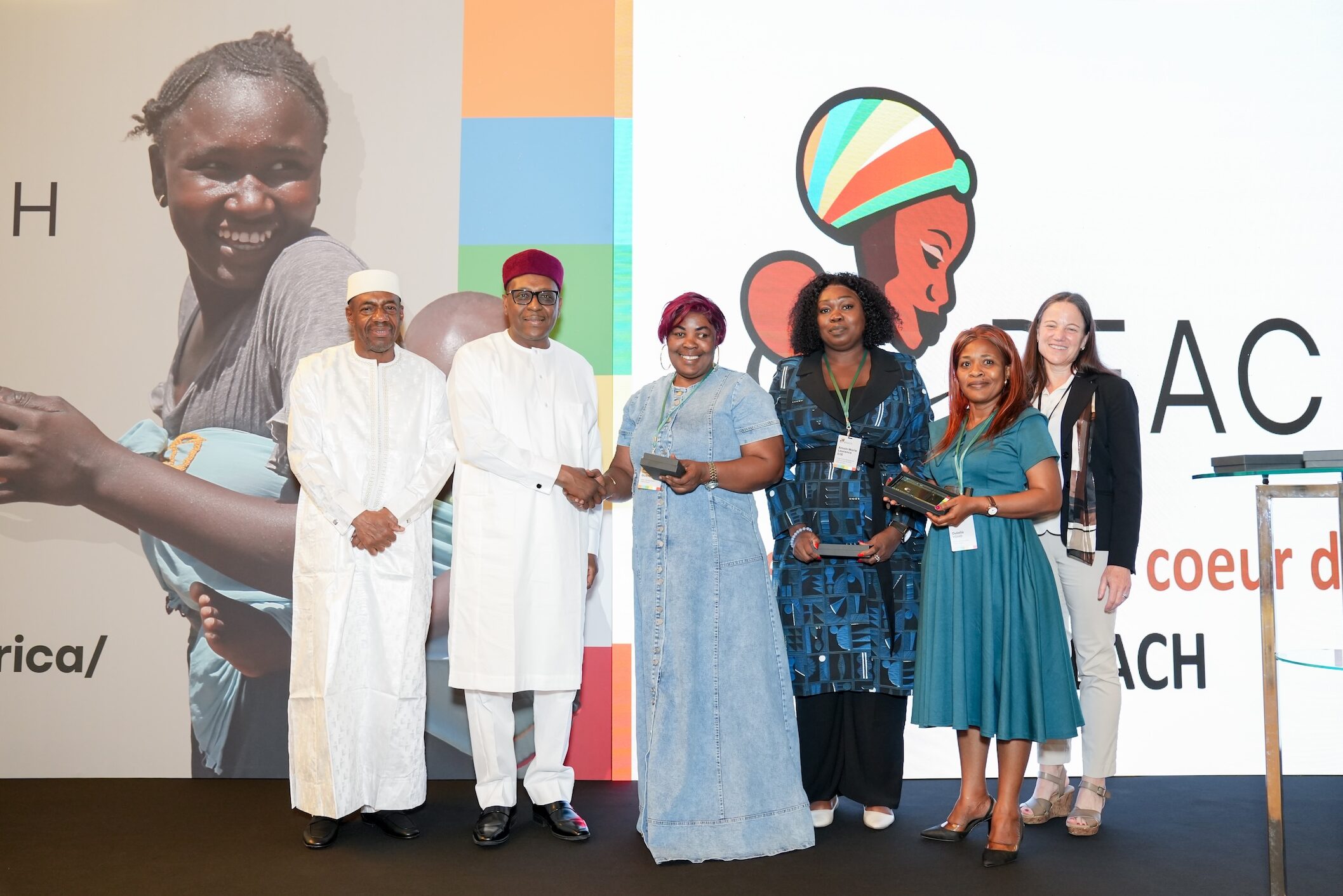
At the Women in REACH reception, all nominees were commended by Dr Katey Owen, Director, Vaccine Development and Director, Neglected Tropical Diseases, at the Gates Foundation, and the Co-chairs of the REACH Network, the Honourable Minister Muhammad Ali Pate and Professor Samba Sow.
The nominees in full
Burkina Faso
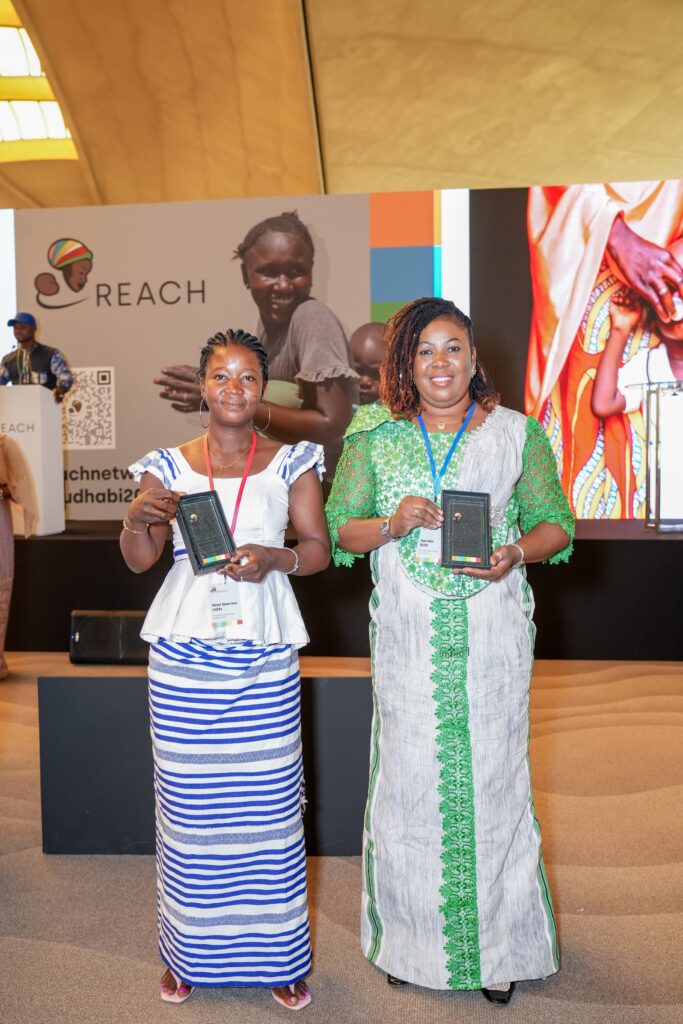
Mimi Martine Hien
Community Health Worker in the Djoro region.
Karidia Son
Registered Nurse at the Health and Social Promotion Center of Matourkou, in the Guirogo region.
Côte d’Ivoire
Amoin Marie Laurence Dje
Medical Doctor, Technical Officer responsible for communication and public relations at the National Neglected Tropical Diseases Program.
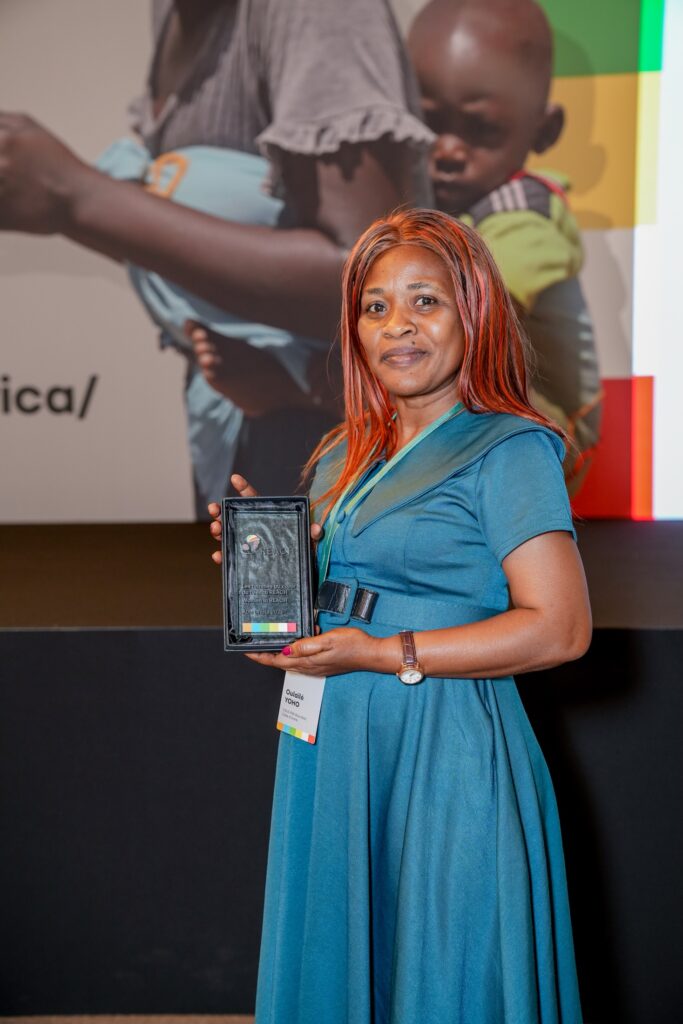
Oulaïlé Helene Yoho
Registered Nurse, supervisor of the REACH Mass Drug Administration (MDA) campaigns in Boundiali, a district located in northern Côte d’Ivoire.
Bahou Debora Constante Guehi
Community Health Worker in Boundiali.
Mali
Oumou Diakite
Community Health Worker (‘Relais de santé communautaire’) affiliated with the REACH LAKANA project, Kita district, in the Kayes region.
Sali Bouare
Community Health Worker (‘Relais de santé communautaire’) affiliated with the SANTÉ project, Koutiala district, in the Sikasso region.
Fadima Cheick Haidara
Chief Operations Officer of CVD-Mali, and a highly experienced public health official with decades of field and operations experience and a long track record of academic publications.

Niger
Aïchatou Bawa Issa
Registered Nurse, supervisor on the AVENIR Project since 2020.
Karamatou Hamadou
Human Resources Manager, a key contributor to the planning and coordination of community-level activities since AVENIR I.
Mariama Tiemogo
Assistant Nurse, actively involved in the community-level activities implemented by the AVENIR project since 2016.
Nigeria
Hannatu Abdullahi Lere
Supervisor of Community Drug Distributors in Kaduna for the Malaria Consortium.
Rukkaya Muhammed Bagudo
Registered Nurse and Midwife, community drug distributor on the SARMAAN II project in Kebbi State.

Sierra Leone
Lynda Farma-Grant
Medical Doctor, Coordinator of the Child Health / Expanded Program on Immunization in Sierra Leone, serving as the REACH Country Focal Point for the past three years.
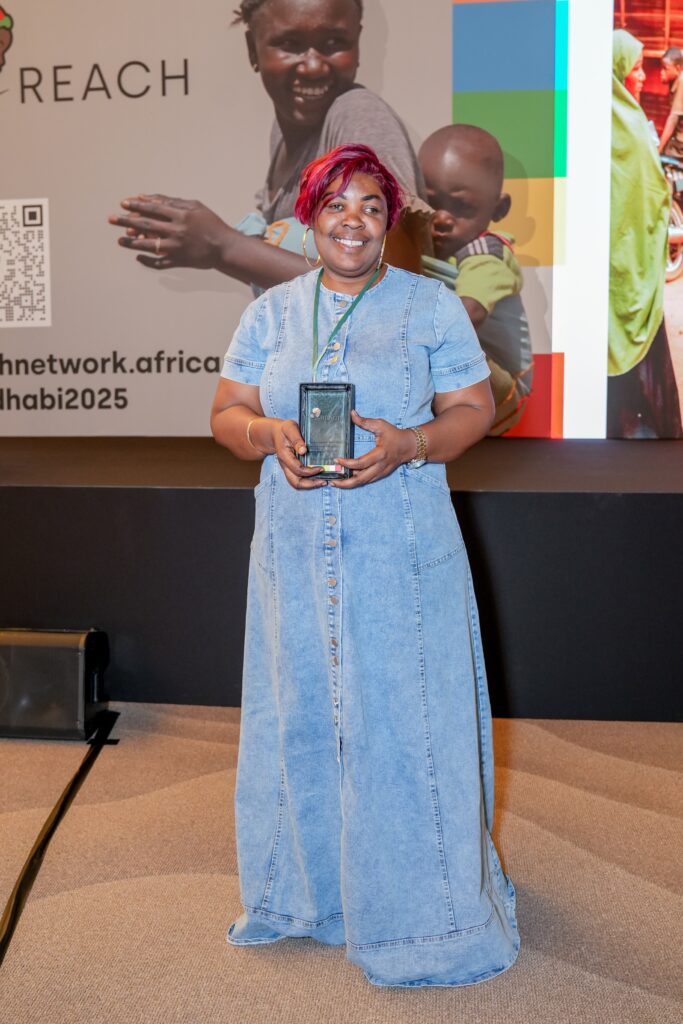
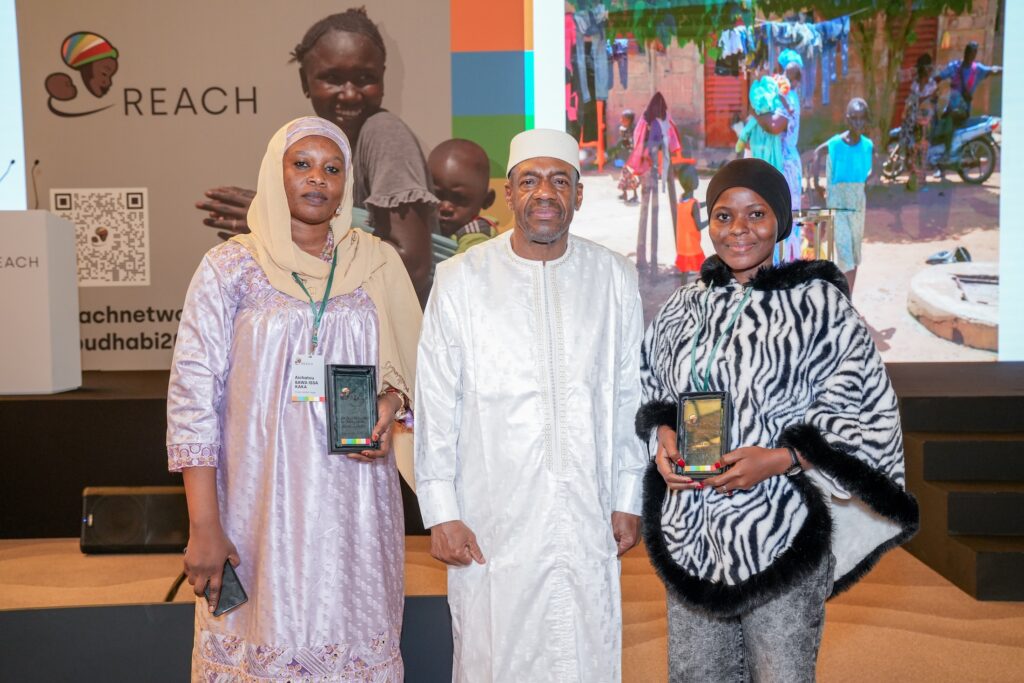
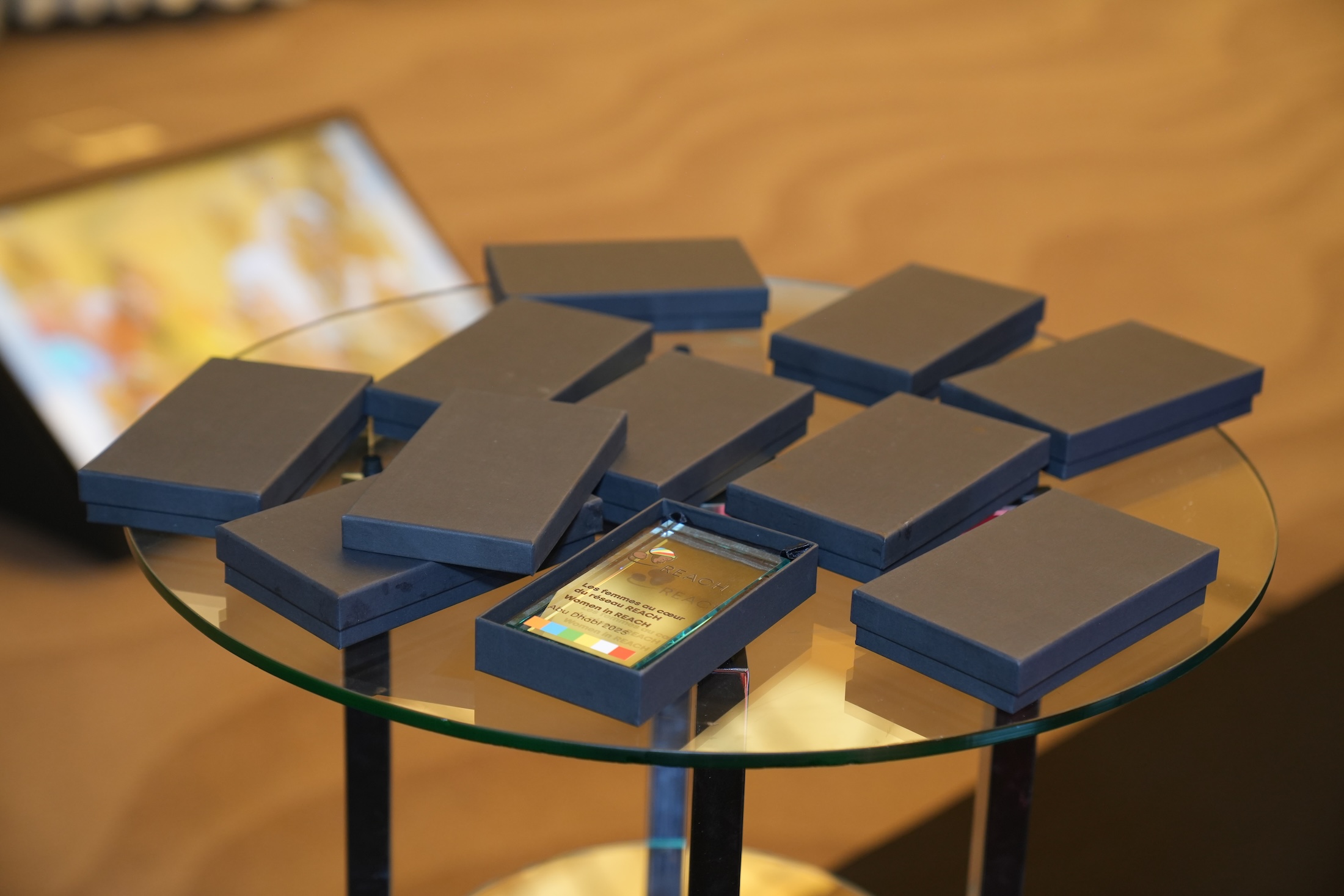
Beautifully crafted awards were presented to all nominees; those in attendance at the REACH Network Annual Meeting in Abu Dhabi received them from the REACH Network Co-chairs and Dr Katey Owen, and arrangements were made for the distribution of their awards to those who were unable to attend the meeting in person.
The Women in REACH event underscored a fundamental principle of the Network: successful public health programmes are based on diverse expertise, equitable representation, and the dedicated leadership of those closest to the populations receiving the interventions.