
#WorldImmunizationWeek
The REACH Network is expanding its work to focus on one of the most urgent challenges in global health: reaching zero-dose children – those who have not received a single dose of routine vaccines and are highly vulnerable to preventable diseases.
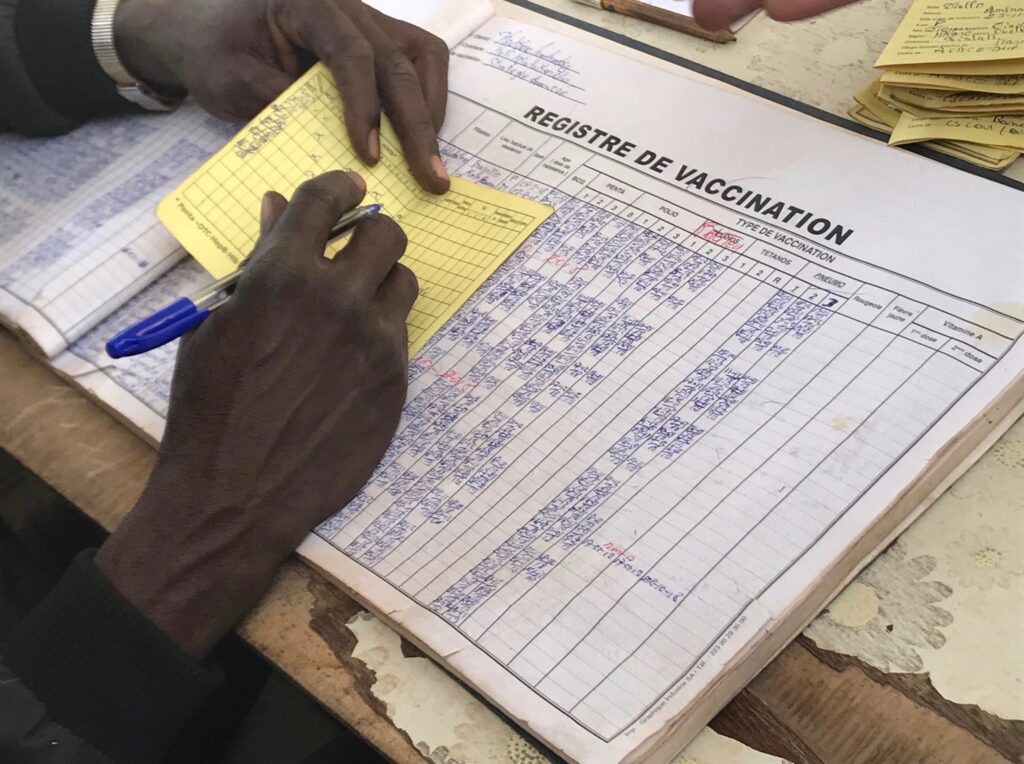
If child survival is the goal, then equitable, integrated interventions must be the strategy.
And that means prioritising children who are still not being reached at all, in remote, underserved, at-risk communities and locales.
Vaccines work. They have been “indiscriminately saving lives since 1796”, as WHO says, and have transformed child health over the course of subsequent generations. But in many settings, health systems are not able to bring this lifesaving potential to every child.
In Nigeria, this reality is especially stark – the country has one of the largest populations of zero-dose children globally.
And yet, Nigeria is emerging as an example of how more integrated, targeted approaches can close persistent gaps in coverage.
Building on strong foundations
Nigeria’s polio eradication programme has built extensive community networks and delivery strategies capable of operating even in hard-to-reach and fragile settings.
The REACH Network builds on this foundation.
Rather than creating parallel systems, REACH integrates its azithromycin-based child survival intervention with existing efforts, particularly polio campaigns and routine immunisation services, allowing multiple interventions to be delivered together, through a single, coordinated platform.
Integration for impact
By linking immunization with azithromycin distribution and other essential interventions, REACH is helping to ensure that children who receive vaccination can also receive broader health service support.
This integrated approach reduces missed opportunities and strengthens the overall impact of each campaign.
It is also a central pillar of the REACH Network’s ethos, as highlighted recently by Network Co-chair, Professor Samba Sow.
The REACH Network is built on the premise that countries need delivery platforms that can reach children more effectively and more equitably.
In Nigeria, as in other REACH member countries, this means working through government-led systems, engaging communities, and adapting delivery strategies to local realities.
It also means focusing specifically on children who too often slip through the net.
Making the possible practical
World Immunization Week is a moment to celebrate the enduring power of vaccines, and to reflect on what remains to be done.
For REACH, the growing focus on zero-dose children represents a commitment to equity, integration, and to country-led delivery more broadly. It also means working to ensure that progress in child survival reaches every community, including those usually considered the hardest-to-reach.
As REACH Network Director, Dr Camilla Ducker, says:
“By integrating interventions and strengthening delivery systems in countries like Nigeria, the REACH Network’s members are helping to close the gap between what is possible and what is delivered.
“Child survival depends not only on the tools we have at our disposal but on our ability to wield them well.”

Dr Camilla Ducker
Director, REACH Network
